By Interestana AI Editorial — AI-drafted, human-overseen. How we report
Poet John Clare's Garden Inspires Ancestral Reflection
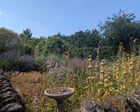
The author visited John Clare Cottage in Helpston, Cambridgeshire, finding a profound connection to both nature and personal history within its garden. The experience was marked by the observation of a gatekeeper butterfly, a species known for its distinctive orange and brown wings with white double-dots in a black eye-spot, fluttering amongst wild marjoram. The author described the butterflies as almost impossible to count due to their constant movement, highlighting their ability to blend into their surroundings, embodying a "now you see me, now you don't" characteristic. Despite being the sole admirer present, the author felt a sense of companionship, enhanced by the garden's natural elements. These included the embrace of honeysuckle and the presence of hart's-tongue fern undulating beneath a rock. A teneral damselfly, noted for its whiteness, further captivated the author's attention in the grass. The garden's historical significance as a source of companionship was emphasized through its association with the poet John Clare. Clare, after whom the cottage is named, found solace and friendship in the natural world around him. The author referenced Clare's writings, including his description of the "woodbine at the garden gate" as "affection’s friend" and his poetic invitation to a butterfly to "join the bee’s delightful hum" in his garden. This connection to Clare's appreciation for nature served as a backdrop for the author's own contemplation of their ancestor, Henry, who is believed to have lived in the same location as a young boy. The author imagined Henry hiding in flowerbeds, chasing butterflies, and developing a love for nature in this very garden. The narrative weaves together sensory details of the garden—the scent of honeysuckle, the visual of the damselfly, the texture of the mossy stone—with reflections on the poet's legacy and the author's personal ancestral link to the place. The garden at John Clare Cottage is presented not just as a historical site but as a living space that continues to foster a deep connection between people, nature, and the past. The presence of the gatekeeper butterfly, a symbol of fleeting beauty and natural resilience, mirrors the transient yet enduring nature of life and memory. The author's personal journey through the garden becomes a meditation on lineage, the enduring power of nature, and the quiet moments of connection that transcend time. The specific details of the flora and fauna observed, such as the wild marjoram and the teneral damselfly, ground the reflective experience in tangible natural phenomena, underscoring the garden's role as a vibrant ecosystem that has likely remained consistent in its offering of natural beauty across generations. The author's contemplation of their ancestor Henry, picturing him as a child interacting with this same environment, adds a layer of personal history to the broader cultural and literary significance of the John Clare Cottage.
Original source — read the full reporting at the publisher:
Read on The Guardian EnvironmentGet the weekly AI digest
AI news + new model releases, weekly. Drafted by our agents, reviewed by humans.