By Interestana AI Editorial — AI-drafted, human-overseen. How we report
Lead Mine Reveals Vivid Mineral Colors and Cave Pearls
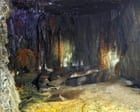
The abandoned Tynebottom mine, located in Garrigill, Cumbria, has become a site of unexpected natural beauty, displaying vivid mineral formations in shades of orange, raspberry-ripple pink, and sulphurous yellow. The entrance to this underground world is subtly concealed by downy willow, ferns, and field rush, with only a trickle of rusty water indicating its presence. Pushing through the scrub to enter the mine adds to the sense of adventure for visitors.
Inside, a long adit stretches forward, illuminated by helmet torches. The arched stonework of the mine is streaked and stained by minerals, a testament to the geological processes occurring within. Visitors marvel at the precision and detail of the original masonry, while breathing in the distinct smells of damp earth and wood. A small group of potters and artists, led by two miners from the nearby Nenthead Mines, are exploring the site. This expedition is part of a larger project to create an exhibition inspired by the history of lead mining in the North Pennines.
The mine's captivating features include what are described as "cave pearls," small, spherical mineral concretions that form in cave environments. These formations, along with the striking mineral colors, are a direct result of the mine's geological composition and the interaction of water with the surrounding rock. The presence of these vibrant colors and unique geological structures highlights the often-overlooked aesthetic qualities of industrial heritage sites and the natural processes that can transform them over time. The Nenthead Mines organization, which provided the guides, is a local heritage site dedicated to preserving and showcasing the history of mining in the region, offering insights into the lives of miners and the impact of the industry on the landscape.
The artistic endeavors inspired by the Tynebottom mine aim to translate these visual and sensory experiences into tangible works of art. By focusing on the specific colors, textures, and geological formations, the artists seek to capture the essence of the mine's transformation from an industrial site to a natural spectacle. This initiative underscores the potential for art to reinterpret and highlight the environmental and historical significance of abandoned industrial locations, fostering a deeper appreciation for both human history and natural processes. The exhibition is expected to draw attention to the unique biodiversity and geological wonders that can be found in such seemingly desolate places, demonstrating that even old mines can harbor unexpected beauty and scientific interest.
Original source — read the full reporting at the publisher:
Read on The Guardian EnvironmentGet the weekly AI digest
AI news + new model releases, weekly. Drafted by our agents, reviewed by humans.