By Interestana AI Editorial — AI-drafted, human-overseen. How we report
Hares Thrive in Remarkable Breeding Season in North Yorkshire
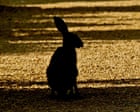
North Yorkshire has witnessed a remarkable breeding season for hares, characterized by the animals' impressive physical condition and acute sensory awareness. Farmers in the region, such as Richard, have observed an "unbelievable breeding season" for these creatures, often noting their presence against the backdrop of harvested fields. The hares are described as having "ripped physiques and all-seeing eyes," indicative of their health and adaptability. This observation comes from Amy-Jane Beer's "Country diary," which highlights the interconnectedness of agricultural practices and wildlife thriving in the rural environment. Richard, a farmer, is presented as someone who is "always busy and often exasperated" but also "refreshingly cognisant of his privilege and determined not to blow the opportunity to make a difference." His management approach integrates nature, leading him to share wildlife updates, such as the hare observations, with Beer. These updates serve as cues for Beer to visit and document the natural occurrences in the area. The hares' appearance, described as "dark against the gold wheat stubble," and their posture, sitting "tall like a hieroglyph," paints a vivid picture of their integration into the agricultural landscape. The article suggests that the success of this breeding season is a positive indicator for the local ecosystem, reflecting a balance where farming practices can coexist with and even support robust wildlife populations. The keen observation skills of the hares, their "all-seeing eyes," are crucial for their survival, enabling them to detect predators and navigate their environment effectively. Their "ripped physiques" suggest a healthy population with access to adequate resources and a low prevalence of disease or predation pressure during the critical breeding period. The narrative emphasizes the farmer's role not just as a producer of food but as a steward of the land, actively contributing to the well-being of the wildlife that inhabits it. The seasonal cycle, from the golden wheat stubble to the hares' prominent presence, underscores the dynamic relationship between human activity and the natural world in North Yorkshire's countryside. The exceptional breeding success implies favorable environmental conditions, including sufficient food availability and suitable breeding grounds, likely influenced by the agricultural practices employed by farmers like Richard. This ecological narrative, shared through personal observation and communication between a farmer and a writer, underscores the importance of attentive land management for supporting biodiversity.
Original source — read the full reporting at the publisher:
Read on The Guardian EnvironmentGet the weekly AI digest
AI news + new model releases, weekly. Drafted by our agents, reviewed by humans.