By Interestana AI Editorial — AI-drafted, human-overseen. How we report
Rewilded Land Thrives With Wildlife and Indigenous Plants
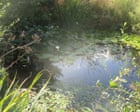
A 10-acre plot of poorly drained land at Larkrise in the Tamar valley, rewilded just under seven years ago, is now demonstrating significant ecological recovery, supporting a variety of wildlife and indigenous plant species. The area, situated on the parish's exposed northern edge with views towards Kit Hill and Dartmoor, has transformed from its previous state into a flourishing ecosystem. This transformation is evidenced by the vigorous growth of native plants and the presence of small mammals. The thorny boundary hedge, a vital component of the rewilding effort, is now laden with abundant sloes, blackberries, scarlet hips, and haws, providing both sustenance and protection. This hedge is actively encroaching on the planted trees, offering them additional shelter from browsing deer. The guarded trees themselves are described as tall and vigorous, interspersed with open areas that encourage the growth of seeding knapweed, various grasses, plantains, and rattle. These plants are crucial for supporting the local insect and bird populations. Furthermore, native shrubs such as guelder rose, spindle, holly, and buckthorn have successfully established themselves and are already producing berries, a testament to the rapid progress of the rewilding project. The presence of these berry-producing plants is essential for providing food sources for birds and other wildlife, particularly during the autumn and winter months. The successful establishment of these species indicates a healthy and developing food web within the rewilded area. The rewilding initiative at Larkrise began less than seven years ago, and the current state of the land highlights the effectiveness of allowing natural processes to reclaim the area with minimal human intervention. The focus on indigenous plants and the creation of diverse habitats have been key to attracting and sustaining wildlife. The article notes that recent rainfall has helped to green the pastures and wash away debris, indicating a return to more favorable conditions for plant growth. Despite the improved conditions, caution is still advised regarding water usage, as indicated by an inspection of a century-old well which, while showing a better water level than feared, still necessitates careful management. The rewilded plot is now home to voles and shrews, small mammals that are indicators of a healthy ground-level ecosystem. Their presence suggests a robust invertebrate population and a suitable environment for them to thrive. The overall success of Larkrise's rewilding project serves as a positive example of how ecological restoration can lead to significant biodiversity gains in relatively short periods, transforming previously neglected land into vibrant habitats.
Original source — read the full reporting at the publisher:
Read on The Guardian EnvironmentGet the weekly AI digest
AI news + new model releases, weekly. Drafted by our agents, reviewed by humans.