By Interestana AI Editorial — AI-drafted, human-overseen. How we report
Broad-Leaved Dock Thrives Amidst Drought, Offering Climate Clues
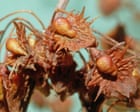
Phil Gates, in his final Country Diary entry after nearly 40 years of observation, highlights the resilience of the broad-leaved dock (Rumex obtusifolius) during an exceptionally dry summer. Gates noted that while surrounding fields turned a parched, straw-like color, a dense stand of broad-leaved docks continued to thrive, prompting reflection on which plant species might emerge as winners or losers in an evolving climate. The plant's survival capabilities are attributed to several key characteristics: a deep taproot system that can access water reserves far below the surface, rapid growth in the early spring before the harshest dry periods, and a long-lasting dormant seed bank within the soil, ensuring future generations can sprout when conditions are favorable. This observation comes at a time when naturalists are increasingly concerned about the impact of climate change on biodiversity, particularly the effects of prolonged heatwaves and drought conditions. The broad-leaved dock, often considered a common weed, demonstrates a remarkable ability to withstand environmental stress, a trait that may become increasingly valuable as climate patterns shift. Gates's nearly four-decade-long chronicle of the natural world in Stanhope, Weardale, has consistently shown that significant ecological insights can be gleaned from observing even the most seemingly mundane flora. His final entry underscores the importance of close, sustained observation in understanding ecological dynamics and predicting species' responses to environmental pressures. The resilience of *Rumex obtusifolius* in the face of drought serves as a tangible example of how certain species may adapt and persist, while others struggle, in a warming world. This phenomenon has broader implications for agricultural practices, conservation efforts, and our general understanding of ecological resilience in the face of global climate shifts. The specific location of Stanhope, Weardale, provides a regional context for these observations, suggesting that local environmental conditions and species interactions play a crucial role in determining survival rates during extreme weather events. The diary's conclusion, emphasizing the need to 'keep looking closely,' serves as a poignant reminder of the ongoing need for detailed ecological monitoring to understand the complex and often surprising ways nature responds to change.
Original source — read the full reporting at the publisher:
Read on The Guardian EnvironmentGet the weekly AI digest
AI news + new model releases, weekly. Drafted by our agents, reviewed by humans.