By Interestana AI Editorial — AI-drafted, human-overseen. How we report
Rosemary Beetles Appear in Northumberland Garden
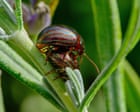
The rosemary beetle, identified as Chrysolina americana, has been observed for the first time in a garden located in Allendale, Northumberland, on a warm autumn day. This sighting marks a new development for the region's biodiversity and presents a potential concern for local gardeners. The rosemary beetle is a species native to the Mediterranean and has established itself in the United Kingdom without significant natural predators. Its presence in Northumberland suggests a continued northward expansion of its range, likely facilitated by changing climate conditions, such as the heatwaves and southerly winds mentioned in the context of other insect migrations.
The beetle is characterized by its striking appearance, with elytra (wing casings) that are striped in vibrant purple and green, giving it a shimmering, lustrous quality. While visually appealing, this insect poses a significant threat to plants belonging to the Lamiaceae family, commonly known as the mint family. This family includes many popular garden herbs such as lavender, sage, thyme, and rosemary itself. The beetles feed on the foliage of these plants, and in sufficient numbers, they can strip them down to bare stems, potentially leading to the plant's death or severe dieback. The gardener's concern is particularly acute given the presence of these favored plants within the affected herb bed.
This observation of the rosemary beetle follows a year of notable insect activity in the garden. Earlier in the year, the garden had experienced an influx of various moths, including old lady, vestal, and blood-vein moths, attracted to a light trap. Additionally, hummingbird hawk-moths, typically infrequent visitors, were observed feeding consistently throughout the summer from verbena and buddleia plants. The year was also designated as a "painted lady year," a phenomenon described as a once-a-decade event where these high-flying butterflies migrate from Africa, with successive generations completing the journey. The presence of these migratory species, like the painted lady, is often linked to prevailing weather patterns, such as southerly winds and heatwaves, which can influence their migratory routes and breeding success. The rosemary beetle's appearance adds another layer to the ecological narrative of the garden, highlighting the dynamic nature of species distribution in response to environmental factors.
The implications of the rosemary beetle's establishment in a new region like Northumberland are twofold. Firstly, it signifies the ongoing impact of climate change on species distribution, with warmer temperatures potentially allowing Mediterranean species to thrive in previously unsuitable climates. Secondly, it presents a horticultural challenge for gardeners who cultivate plants susceptible to its feeding habits. Without natural predators to control its population, the rosemary beetle can become a persistent pest, requiring active management strategies to protect valuable plants. The gardener's initial observation underscores the importance of monitoring local wildlife and understanding the potential ecological and horticultural consequences of invasive or expanding species.
Original source — read the full reporting at the publisher:
Read on The Guardian EnvironmentGet the weekly AI digest
AI news + new model releases, weekly. Drafted by our agents, reviewed by humans.