By Interestana AI Editorial — AI-drafted, human-overseen. How we report
Japan PM Sanae Takaichi Claims 0-3 Hours Sleep Daily
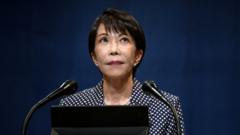
Japan's Prime Minister Sanae Takaichi stated this week that she operates on an exceptionally minimal sleep schedule, requiring only zero to three hours of sleep per night. This assertion has garnered significant public attention and discussion across Japan.
Takaichi's claim suggests a remarkable capacity for sustained wakefulness and productivity, far exceeding typical human requirements for rest. While the exact duration of her sleep can vary, the upper limit of three hours per night positions her sleep habits as highly unusual. The Prime Minister has not provided further details regarding the specific mechanisms or strategies that enable her to function on such limited rest.
The public reaction to Takaichi's statement has been varied, with many expressing surprise and concern about the potential health implications of such extreme sleep deprivation. The average recommended sleep for adults is between 7 to 9 hours per night, according to health organizations like the National Sleep Foundation. Consistently sleeping less than this can lead to a range of negative health outcomes, including impaired cognitive function, weakened immune systems, and increased risk of chronic diseases.
This revelation also sparks broader conversations about work culture and productivity expectations, particularly in demanding leadership roles. Takaichi's personal experience, if sustained, challenges conventional understanding of human physiological needs and the relationship between sleep and performance. Further information or clarification from the Prime Minister's office may shed more light on how she manages such a demanding schedule.
Original source — read the full reporting at the publisher:
Read on BBC World NewsGet the weekly AI digest
AI news + new model releases, weekly. Drafted by our agents, reviewed by humans.