By Interestana AI Editorial — AI-drafted, human-overseen. How we report
THORChain Cannot Block Stolen Bitget Funds
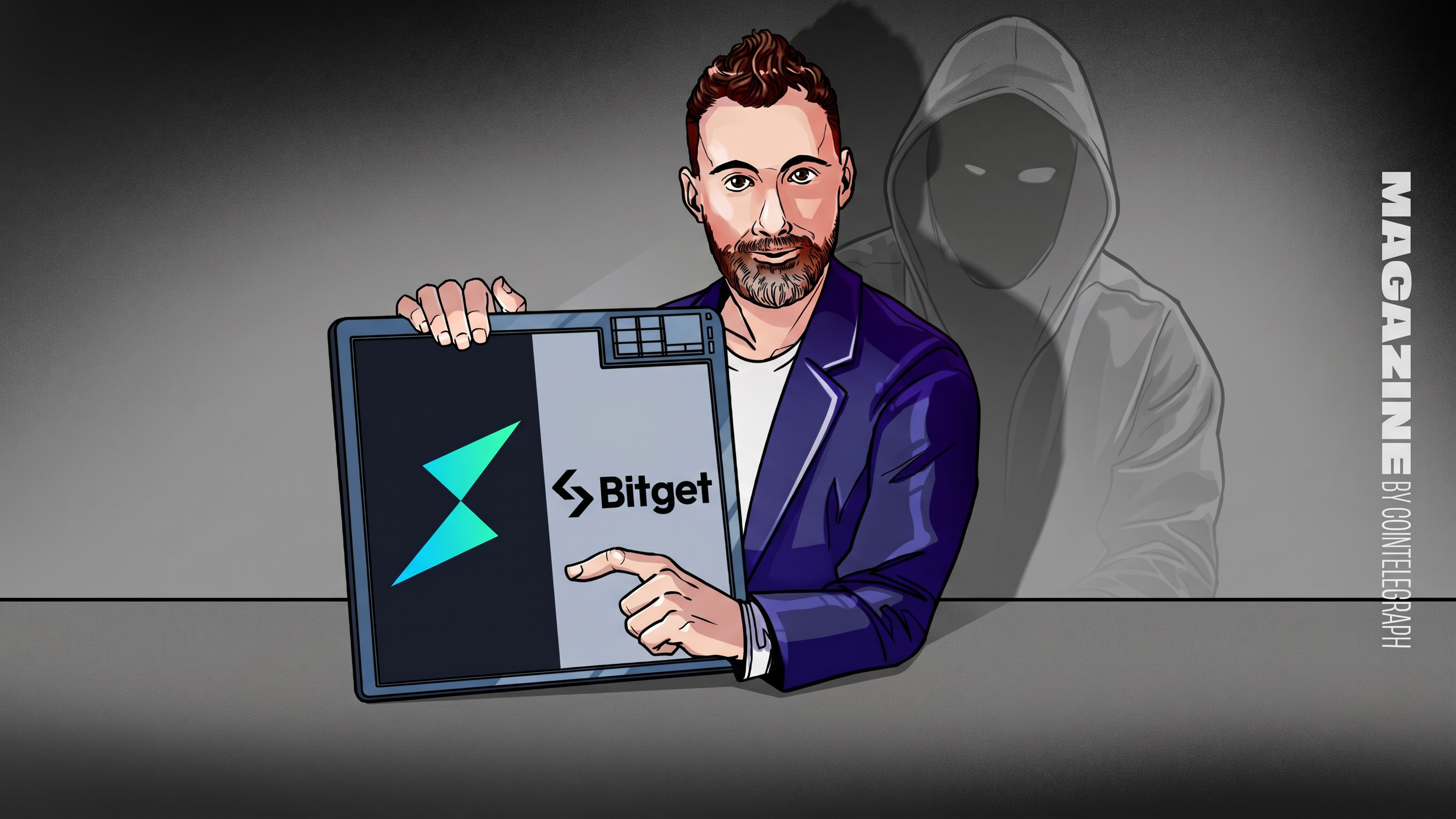
THORChain has stated it is unable or unwilling to block addresses associated with the recent $387.5 million hack on the cryptocurrency exchange Bitget. This inability to freeze the stolen funds has ignited a complex legal debate regarding the potential for THORChain's developers to face prosecution for money laundering, according to crypto lawyer Yuriy Brisov. The situation highlights the inherent challenges in decentralized finance (DeFi) protocols when it comes to asset recovery and regulatory compliance following major security breaches.
Bitget, a cryptocurrency exchange, reported a significant security incident where hackers siphoned approximately $387.5 million worth of digital assets. The stolen funds were subsequently moved across various blockchain networks. THORChain, a cross-chain decentralized exchange protocol, operates on a permissionless basis, meaning it does not typically have the centralized control mechanisms to unilaterally freeze or block specific cryptocurrency addresses. This decentralized architecture, while offering benefits like censorship resistance and user autonomy, presents considerable obstacles when attempting to trace and recover illicitly obtained funds.
The legal ramifications for THORChain's developers are nuanced. In traditional financial systems, financial institutions are often legally obligated to implement Know Your Customer (KYC) and Anti-Money Laundering (AML) procedures, which include monitoring transactions and reporting suspicious activities. Failure to do so can result in severe penalties, including prosecution for facilitating money laundering. However, the decentralized and often pseudonymous nature of DeFi protocols complicates the application of these existing legal frameworks. It is unclear whether the developers of THORChain, or the protocol itself, could be held liable under current money laundering statutes, especially given the lack of a central entity to enforce such regulations.
Yuriy Brisov, a crypto lawyer, has indicated that the legal situation is complicated. This complexity likely stems from the distributed nature of THORChain's governance and development, the pseudonymous identities of many participants, and the cross-jurisdictional challenges inherent in regulating global blockchain networks. The incident raises broader questions about the future of regulation in the DeFi space and the responsibilities of decentralized protocol developers in preventing and responding to large-scale hacks. The inability to block addresses means the stolen Bitget funds may be irretrievable, impacting both the exchange and its users.
Original source — read the full reporting at the publisher:
Read on CoinTelegraphGet the weekly AI digest
AI news + new model releases, weekly. Drafted by our agents, reviewed by humans.