By Interestana AI Editorial — AI-drafted, human-overseen. How we report
Zookeepers Use High-Tech Toys to Combat Animal Boredom
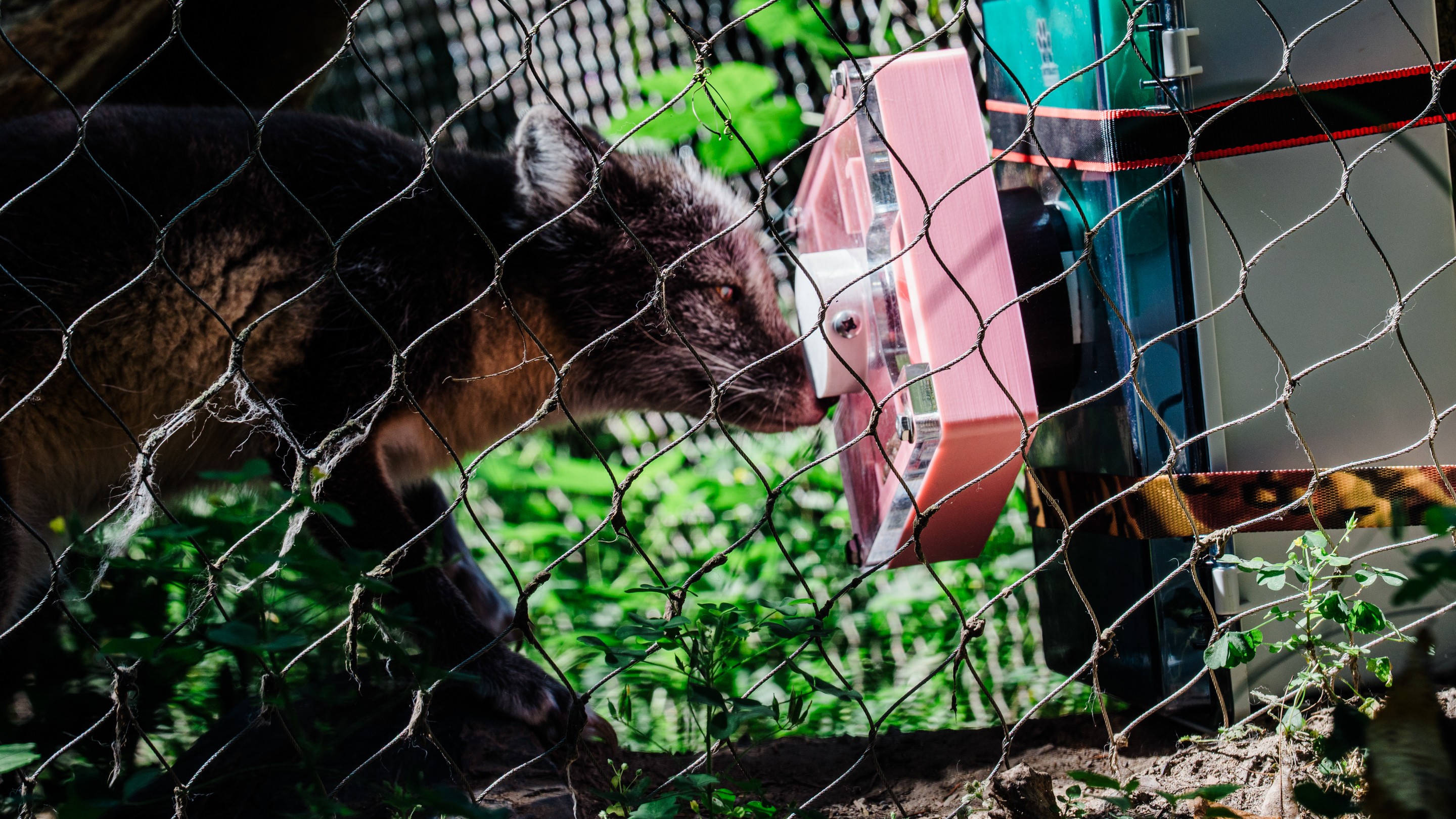
Zookeepers are increasingly turning to high-tech toys and innovative enrichment strategies to combat boredom and encourage more natural behaviors in captive animals. This approach aims to address the psychological and behavioral challenges that arise when animals are removed from their natural habitats and subjected to the controlled environment of a zoo. The goal is to provide stimuli that mimic aspects of their wild existence, thereby improving their overall welfare and reducing stress-related behaviors.
One key area of focus is the development of interactive devices that challenge animals mentally and physically. These can range from simple puzzle feeders that require problem-solving skills to dispense food, to more complex electronic systems that respond to animal interaction. For instance, some zoos are experimenting with motion-activated devices that dispense treats or trigger sounds, encouraging exploration and foraging. Others are looking at virtual reality or augmented reality experiences, although these are still in very early stages of development and application for animals. The underlying principle is to provide unpredictable and engaging stimuli that prevent the monotony often associated with captive life.
Beyond electronic gadgets, the trend also encompasses sophisticated mechanical devices and carefully designed environments. This includes complex climbing structures that mimic natural landscapes, water features that allow for naturalistic behaviors like hunting or playing, and scent-releasing mechanisms that introduce novel olfactory experiences. The integration of technology is not solely about screens and sensors; it's about leveraging any available tool to create a more stimulating and dynamic habitat. For example, researchers are exploring the use of drones to deliver enrichment items to animals in large enclosures, or to create novel visual stimuli that might pique an animal's curiosity without causing undue stress.
The effectiveness of these high-tech interventions is being evaluated through careful observation and data collection. Zookeepers and animal behaviorists are monitoring changes in activity levels, social interactions, and the reduction of abnormal repetitive behaviors, often referred to as stereotypies. These stereotypies, such as pacing or head-bobbing, are common indicators of stress and boredom in captive animals. By providing more engaging environments, zoos hope to see a significant decrease in these behaviors and an increase in species-appropriate activities like hunting, exploring, and socializing. The long-term aim is to create environments that not only meet the basic physical needs of animals but also cater to their complex cognitive and emotional requirements, thereby enhancing their quality of life and contributing to conservation efforts through better understanding of animal behavior.
Original source — read the full reporting at the publisher:
Read on The AtlanticGet the weekly AI digest
AI news + new model releases, weekly. Drafted by our agents, reviewed by humans.