By Interestana AI Editorial — AI-drafted, human-overseen. How we report
Bat Genes Linked to Longevity and Cancer Resistance
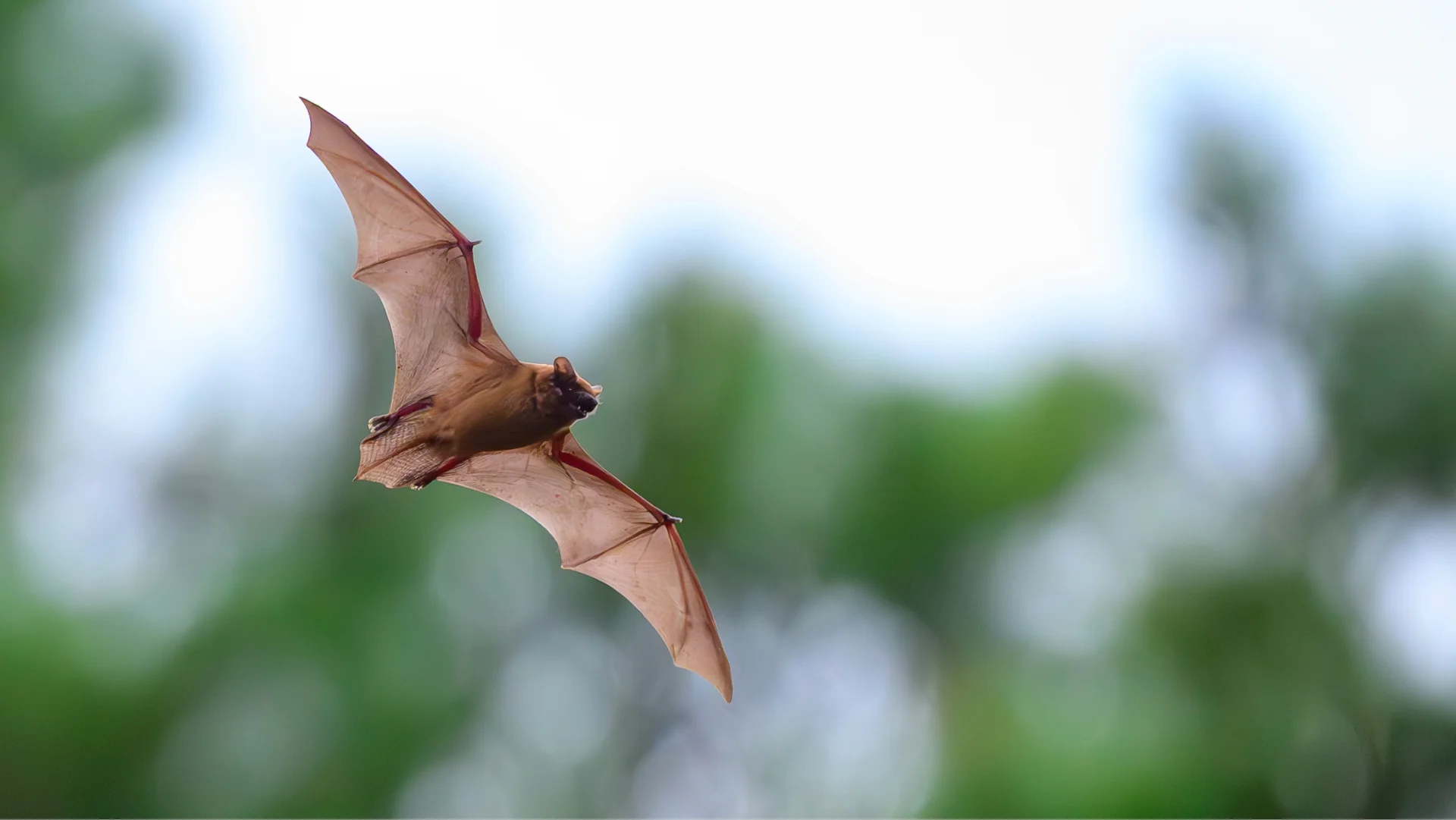
Scientists investigating the remarkable longevity and cancer resistance of certain bat species have identified a significant link to genes that bolster their immune systems against viral infections. This groundbreaking research, published in a peer-reviewed journal, delves into the genetic mechanisms that allow these small mammals to live for decades while remaining remarkably healthy and free from cancerous growths. The study highlights specific genetic pathways that appear to enhance immune surveillance and repair processes, offering a potential blueprint for understanding and potentially influencing human aging and disease susceptibility.
The research team focused on several bat species known for their extended lifespans, some of which can live over 40 years, a considerable duration for a mammal of their size. This longevity is particularly striking given their exposure to numerous viruses, including those that are pathogenic to humans. The bats' ability to host viruses without succumbing to disease or developing cancer suggests a highly evolved and robust defense system. The scientists employed advanced genomic sequencing and comparative analysis to pinpoint the genetic differences between long-lived, cancer-resistant bats and other mammals. They discovered a higher expression of genes associated with innate immunity and DNA repair in the studied bat populations. These genes are crucial for identifying and neutralizing pathogens, as well as for correcting cellular damage that can lead to aging and cancer.
Specifically, the study identified several gene families that show significant evolutionary adaptations in bats. These include genes involved in interferon production, a key component of the antiviral response, and genes responsible for maintaining telomere length, which are protective caps on chromosomes that shorten with age. The bats' ability to maintain telomere length may contribute to their cellular resilience and slower aging process. Furthermore, the research points to enhanced mechanisms for detecting and eliminating precancerous cells, a critical factor in their cancer-free status. This suggests that bats have evolved sophisticated, multi-layered strategies to combat both viral threats and the cellular mutations that drive cancer development.
The implications of this research extend beyond academic curiosity, potentially paving the way for novel therapeutic strategies in human medicine. By understanding the genetic underpinnings of bat longevity and disease resistance, researchers may be able to develop interventions that promote healthier aging and enhance the body's natural defenses against cancer and viral infections. Future research will likely focus on translating these findings into practical applications, such as gene therapies or pharmaceutical compounds that mimic the beneficial effects of these bat genes. The study underscores the importance of biodiversity research, revealing that solutions to complex human health challenges might be found in the natural world, within the genetic makeup of seemingly unassuming creatures like bats. The ongoing exploration of bat genetics continues to unveil secrets that could redefine our understanding of aging and disease.
Original source — read the full reporting at the publisher:
Read on Inc.Get the weekly AI digest
AI news + new model releases, weekly. Drafted by our agents, reviewed by humans.