By Interestana AI Editorial — AI-drafted, human-overseen. How we report
Cormac McCarthy's Westward Journey Reshaped Literature
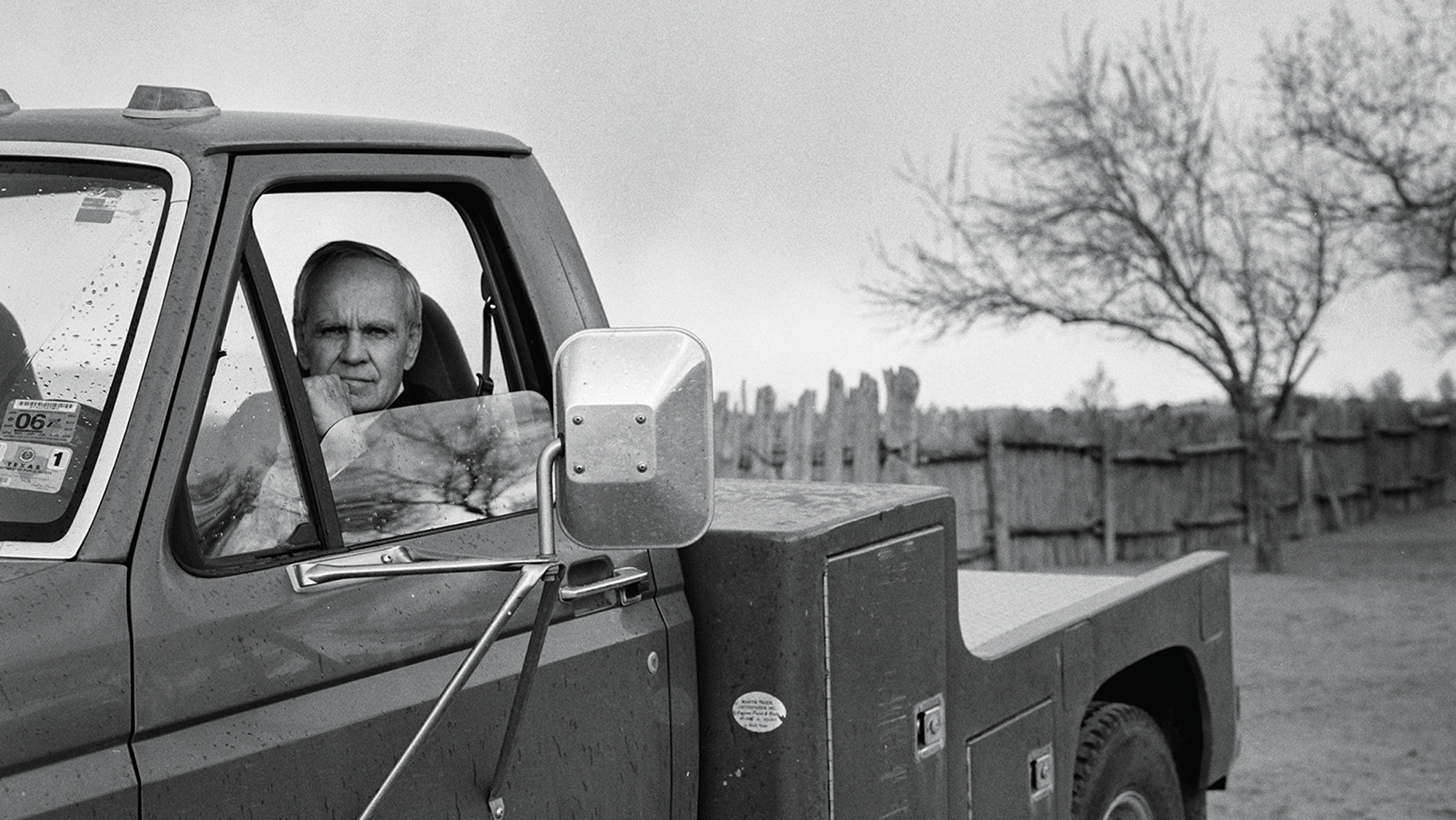
Cormac McCarthy's relocation to the American West at the age of 40 initiated a significant transformation in his literary output and left an indelible mark on the landscape of American literature. This geographical and personal shift, occurring around 1973 when McCarthy was approximately 40 years old, coincided with a period of intense creative development that would define his later, most celebrated works. Prior to this move, McCarthy had published his first two novels, "The Orchard Keeper" (1965) and "Outer Dark" (1968), which, while critically noted, did not achieve the widespread recognition or stylistic maturity of his subsequent books. His third novel, "Child of God" (1973), was published just before or around the time of his westward migration, hinting at the thematic and stylistic explorations that would soon come to the fore.
The move itself was not merely a change of scenery but a deep immersion into the rugged, often brutal, realities of the American frontier, a setting that became intrinsically linked to his narrative voice and thematic concerns. This period saw the creation of novels such as "Suttree" (1979), a sprawling, semi-autobiographical work set in Knoxville, Tennessee, but reflecting a mature perspective shaped by his experiences. More significantly, his subsequent novels, including "Blood Meridian" (1985), "All the Pretty Horses" (1992), "The Crossing" (1994), and "Cities of the Plain" (1998) – the latter three forming the Border Trilogy – cemented his reputation. These works are characterized by their stark, unsentimental portrayals of violence, the harshness of the natural world, the moral ambiguities of human existence, and the enduring legacy of the West.
McCarthy's prose, already distinctive, evolved to become more spare, biblical, and philosophical. He often eschewed conventional punctuation, such as quotation marks, contributing to a unique rhythm and intensity in his narratives. The themes of fate, free will, the nature of good and evil, and the search for meaning in a chaotic universe became central. His characters, often stoic and facing extreme circumstances, grappled with profound existential questions against backdrops of desolate landscapes. This stylistic and thematic evolution, directly linked to his westward migration and subsequent engagement with the American West, resonated deeply with readers and critics, establishing him as a major voice in contemporary American letters.
The impact of McCarthy's westward journey extends beyond his personal bibliography. His distinctive style and unflinching exploration of dark themes influenced a generation of writers and filmmakers. Works like "No Country for Old Men" and "The Road" were adapted into critically acclaimed films, further amplifying his reach and demonstrating the enduring power of his narratives. The "midlife crisis" alluded to in the context of his move can be reinterpreted as a period of profound artistic reckoning and renewal, where a deliberate immersion in a particular environment catalyzed a mature and powerful artistic vision that reshaped the literary landscape. His dedication to exploring the human condition in its most elemental forms, set against the vast and unforgiving canvas of the American West, solidified his legacy as one of the most significant American novelists of the late 20th and early 21st centuries.
Original source — read the full reporting at the publisher:
Read on The AtlanticGet the weekly AI digest
AI news + new model releases, weekly. Drafted by our agents, reviewed by humans.