By Interestana AI Editorial — AI-drafted, human-overseen. How we report
Uncensored Nazi Mass Murderer Account Published in English
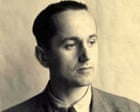
An uncensored English translation of "Conversations with an Executioner," a seminal work by Polish war hero Kazimierz Moczarski, has been published in the UK this month. The book chronicles Moczarski's 255 days spent in a Warsaw prison cell with SS General Jürgen Stroop, a key figure in the Nazi regime responsible for the destruction of the Warsaw Ghetto and the deaths or capture of over 56,000 Jews. Moczarski, a prominent member of the Polish resistance, was himself imprisoned by the postwar communist regime in Poland, accused of collaboration. He utilized his unique proximity to Stroop, a convicted war criminal, to explore the psychological and ideological factors that led some Germans to become perpetrators of mass murder and to impose their concept of "Ordnung" (order) globally. The original Polish edition of "Conversations with an Executioner" was published in 1977, becoming an immediate bestseller and inspiring a theatrical adaptation directed by Andrzej Wajda in the same year. This new English translation by Sean Gasper Bye marks the first time the complete, uncensored text is available to an English-speaking audience. The book offers a profound, albeit disturbing, insight into the mindset of a high-ranking Nazi official, providing a historical document that continues to resonate with its exploration of complicity, ideology, and the nature of evil. Moczarski's work serves as a critical examination of the mechanisms of state-sponsored violence and the individual responsibility within such systems. The publication aims to provide a more complete understanding of Stroop's perspective and Moczarski's investigative approach during their shared confinement. The historical context of Moczarski's own imprisonment by a communist regime adds another layer of complexity to his narrative, highlighting the turbulent political landscape of postwar Poland and the ongoing struggle for historical truth. The book's enduring relevance lies in its unflinching portrayal of a perpetrator and its attempt to understand the origins of extreme violence, making it a significant addition to the literature on World War II and the Holocaust.
Original source — read the full reporting at the publisher:
Read on The Guardian CultureGet the weekly AI digest
AI news + new model releases, weekly. Drafted by our agents, reviewed by humans.