By Interestana AI Editorial — AI-drafted, human-overseen. How we report
Optogenetics Pioneers Awarded Nobel Prize in Physiology
Karl Deisseroth, Peter Hegemann, and Georg Nagel have been awarded the Nobel Prize in Physiology or Medicine for their groundbreaking development of optogenetics, a revolutionary technique that allows scientists to control the activity of specific nerve cells using light. This advancement has transformed neuroscience by enabling researchers to precisely activate or inhibit neurons in otherwise intact brains, offering unprecedented insights into brain function. Optogenetics builds upon decades of research aimed at understanding the specialized roles of cells within the brain and spinal cord. Early methods involved studying gene activity in specific neuron populations and their locations, or genetically deleting these neurons to infer their functions. However, these approaches had limitations, as the brain's plasticity could compensate for cell loss, and early developmental disruptions could alter neural network formation. Optogenetics overcomes these challenges by allowing for the targeted manipulation of neuronal activity in a living, functioning brain.
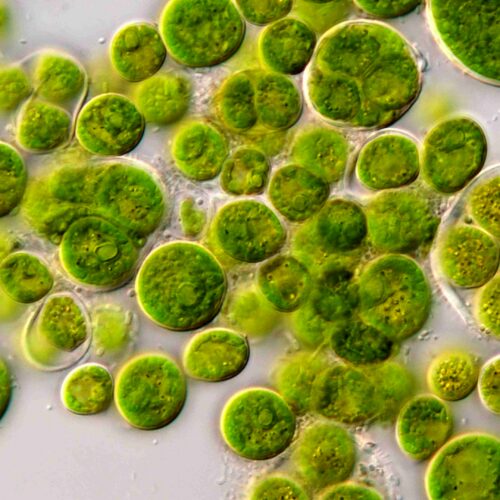
The foundation of optogenetics lies in studies of single-celled algae that exhibit phototaxis, a response to light. Researchers, including the Nobel laureates, harnessed this principle to develop methods for altering nerve cell behavior. By identifying genes that, when expressed, make neurons light-sensitive, scientists can then use light pulses to control these genetically modified cells. This technique involves introducing light-sensitive proteins, known as opsins, into specific neurons. When light of a particular wavelength is shone on these neurons, the opsins trigger a change in the cell's electrical activity, either exciting or inhibiting it. This precise control allows researchers to investigate the causal relationships between neural activity and behavior, cognition, and disease states.
The impact of optogenetics on neuroscience research has been profound. It has enabled the mapping of neural circuits with unparalleled accuracy, the investigation of how specific neuronal populations contribute to complex behaviors such as learning and memory, and the development of potential therapeutic strategies for neurological and psychiatric disorders. For instance, optogenetic tools have been used to study conditions like Parkinson's disease, depression, and blindness, paving the way for novel treatment approaches. The ability to selectively target and manipulate neuronal activity offers a powerful means to dissect the intricate workings of the nervous system, moving beyond correlational studies to establish direct causal links. This Nobel Prize recognizes the fundamental contribution of Deisseroth, Hegemann, and Nagel to this transformative scientific field, acknowledging their work that has opened new frontiers in understanding the brain.
Original source — read the full reporting at the publisher:
Read on Ars TechnicaGet the weekly AI digest
AI news + new model releases, weekly. Drafted by our agents, reviewed by humans.