By Interestana AI Editorial — AI-drafted, human-overseen. How we report
Research Clarifies Brain Structure, Debunks Two-Brain Theory
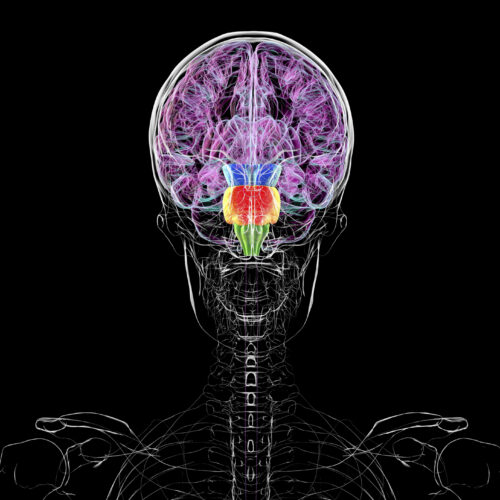
Contrary to sensationalized media reports circulating late last week, humans do not possess two brains. These inaccurate claims originated from a press release issued by a university involved in new research, which was subsequently misinterpreted and amplified across various news outlets. The research, however, does not suggest the existence of a second brain. Instead, it offers a more nuanced understanding of the brain's intricate structure and developmental processes.
The research focuses on the enteric nervous system (ENS), often referred to as the "second brain" due to its complexity and independent functioning within the gastrointestinal tract. While the ENS contains a vast network of neurons, comparable in number to the spinal cord, it is not a distinct brain in the traditional sense. The new study, published in a peer-reviewed journal, delves into the developmental origins and cellular composition of the ENS, providing a more accurate scientific perspective. This research helps to demystify the brain's development and offers valuable insights into the field of developmental biology.
Scientists emphasize that the brain's structure is a singular, unified organ responsible for cognitive functions, consciousness, and sensory processing. The enteric nervous system, while highly complex and capable of mediating reflexes and influencing mood and behavior through the gut-brain axis, operates as an integrated part of the overall nervous system. It is a network of neurons embedded in the walls of the digestive tract, controlling functions such as digestion, nutrient absorption, and waste elimination. Its independent capabilities have led to its colloquial description as a "second brain," but this terminology can be misleading when taken literally.
The study's findings contribute to a deeper understanding of how the nervous system develops from embryonic stages. By examining the cellular and molecular mechanisms that govern the formation of neural networks, researchers can gain insights into potential causes of neurological disorders and develop more targeted therapeutic interventions. The clarification provided by this research is crucial for public understanding and for maintaining scientific accuracy in reporting on neuroscience and developmental biology. The focus remains on the singular, complex organ that is the human brain and its intricate relationship with other bodily systems.
Original source — read the full reporting at the publisher:
Read on Ars TechnicaGet the weekly AI digest
AI news + new model releases, weekly. Drafted by our agents, reviewed by humans.