By Interestana AI Editorial — AI-drafted, human-overseen. How we report
Connected Cars Transmit Extensive Data to Third Parties
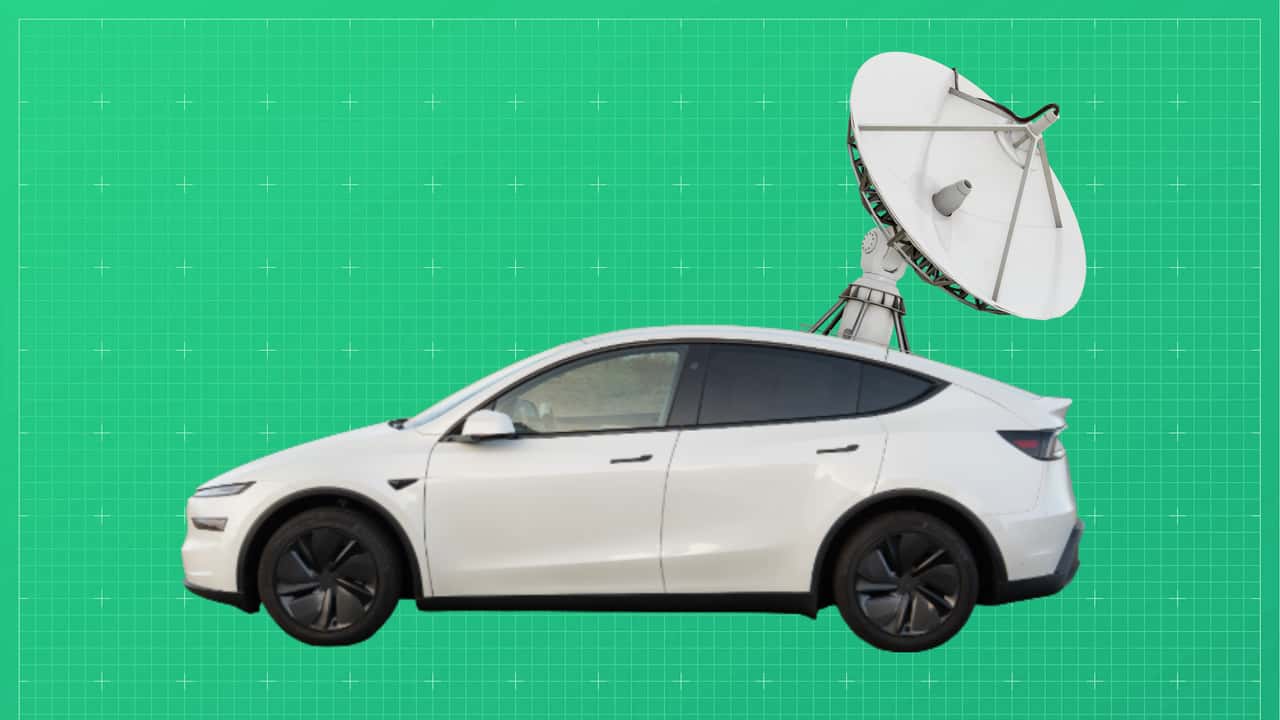
A recent study of 21 connected vehicles has uncovered extensive data sharing between these vehicles and third-party advertising and analytics companies, indicating that car owners may be unaware of the breadth of information being transmitted. The research, conducted by the Consumer Reports, examined data practices across a range of vehicle models, highlighting a complex ecosystem of data collection and distribution that extends beyond the vehicle manufacturer.
The findings suggest that connected car systems are designed to collect a wide array of data points, including location information, driving habits, and even in-car audio. This data is then frequently shared with entities such as advertising technology firms and data brokers, who can use it for targeted advertising, market research, and other commercial purposes. The study specifically noted that the data collected often includes sensitive information that could potentially be used to infer personal details about the vehicle's occupants. For instance, detailed location tracking could reveal daily routines, places of worship, or medical appointments, while driving patterns might indicate economic status or lifestyle choices.
Consumer Reports' investigation into the data policies of various automakers revealed that while some companies provide privacy notices, these documents are often lengthy, complex, and difficult for the average consumer to fully understand. This lack of transparency makes it challenging for owners to make informed decisions about the data they are consenting to share. The study also pointed out that the data collected is not always anonymized, and in some cases, it can be linked back to individual vehicle owners. This raises significant privacy concerns, as the data could be vulnerable to breaches or misuse by third parties.
The implications of this widespread data sharing are substantial. Beyond the immediate privacy concerns for car owners, the aggregation of such detailed personal data could contribute to a broader surveillance landscape. The study advocates for greater transparency from automakers and stricter regulations on how connected vehicle data is collected, used, and shared. It suggests that consumers should have more control over their data and clearer options to opt out of non-essential data sharing. The research underscores the need for a more robust framework to protect consumer privacy in the increasingly connected automotive sector, where vehicles are evolving into sophisticated data-gathering devices.
Original source — read the full reporting at the publisher:
Read on InsideEVsGet the weekly AI digest
AI news + new model releases, weekly. Drafted by our agents, reviewed by humans.