By Interestana AI Editorial — AI-drafted, human-overseen. How we report
Congress Considers Granting Trump Broad Tariff Authority
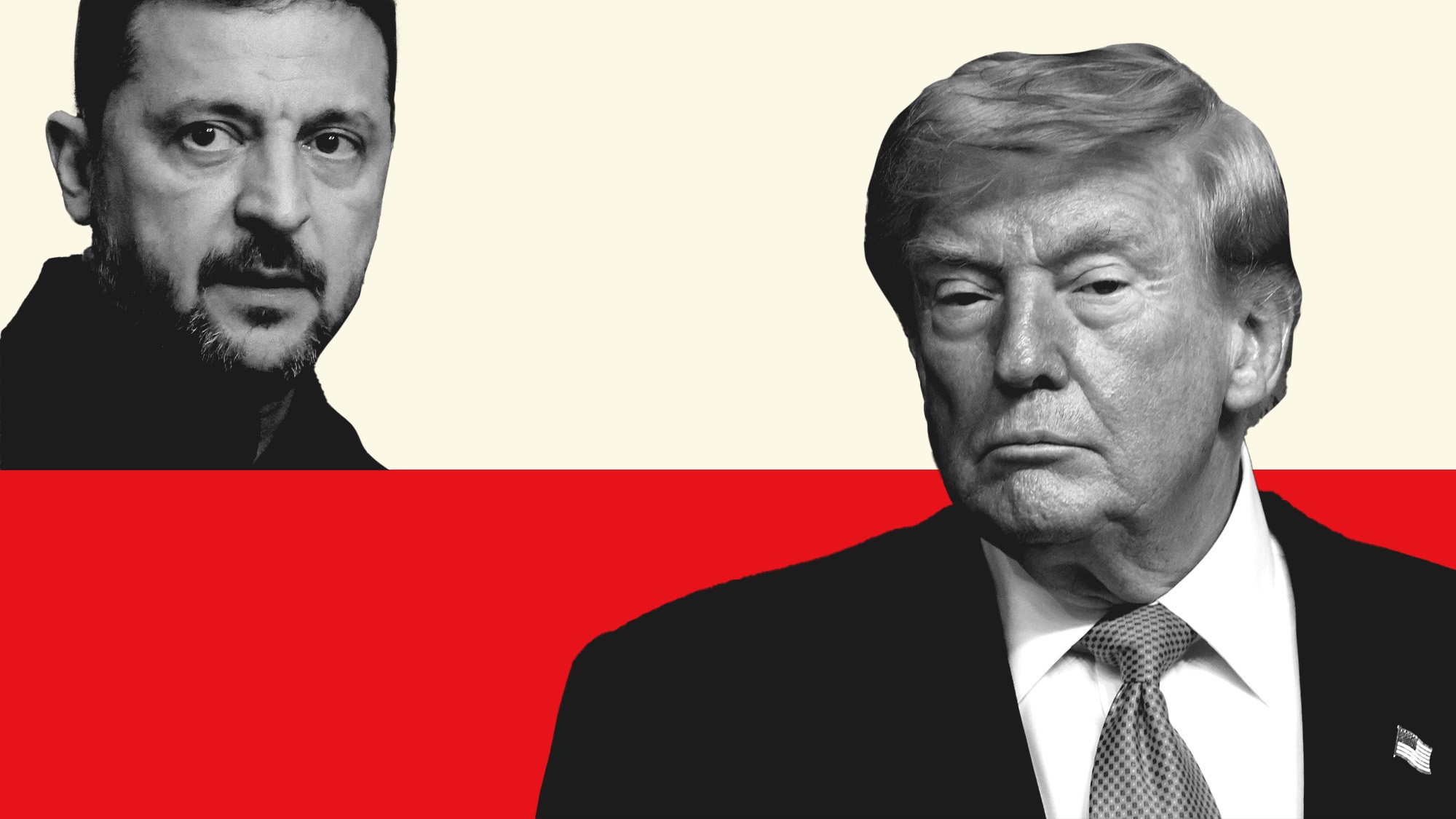
Legislation currently under consideration in the U.S. Congress, ostensibly aimed at penalizing Russia, could inadvertently grant significant new tariff-imposing powers to the next president, a scenario that has raised concerns about its potential impact on trade policy and international relations. The bill, which includes provisions for sanctions against Russia, is being closely scrutinized for clauses that could allow for unilateral tariff increases on a wide range of goods without extensive congressional oversight. This development comes at a time of heightened debate regarding the executive branch's authority over trade and the use of tariffs as a foreign policy tool. The specific language within the proposed legislation is drawing particular attention from trade policy experts and lawmakers who fear it could bypass established checks and balances. If enacted as written, the bill could empower the president to impose tariffs on imports from countries deemed to be engaging in unfair trade practices or posing national security risks, a broad mandate that could be applied with considerable discretion. This potential expansion of presidential power mirrors some of the trade policies enacted during the Trump administration, which frequently utilized tariffs to address trade imbalances and geopolitical concerns. The implications of such a broad grant of authority are far-reaching, potentially affecting domestic industries, consumer prices, and global supply chains. Critics argue that such unilateral power could lead to retaliatory tariffs from other nations, escalating trade disputes and harming the U.S. economy. Furthermore, the lack of explicit congressional approval for each new tariff could undermine the legislative branch's role in shaping trade policy. The bill's proponents, however, may argue that such flexibility is necessary to respond swiftly to evolving economic and geopolitical challenges. The exact wording of the bill and the specific mechanisms for its implementation will be crucial in determining the extent of the presidential powers granted. As the legislative process unfolds, stakeholders from various sectors, including manufacturing, agriculture, and consumer goods, are likely to voice their opinions and concerns regarding the potential economic consequences of this legislation. The debate highlights a recurring tension between the executive and legislative branches over control of trade policy, a fundamental aspect of national economic strategy. The outcome of this legislative effort could set a significant precedent for future trade negotiations and the application of economic sanctions. The bill's passage, or amendment, will be closely watched by international trading partners and domestic businesses alike, as it could signal a shift in U.S. trade posture and the tools available to the nation's chief executive. The focus on Russia sanctions, while a stated objective, may be overshadowed by the broader implications for presidential authority in setting tariffs. The precise details of the sanctions and the tariff provisions remain subject to ongoing negotiation and debate within Congress.
Original source — read the full reporting at the publisher:
Read on The AtlanticGet the weekly AI digest
AI news + new model releases, weekly. Drafted by our agents, reviewed by humans.