By Interestana AI Editorial — AI-drafted, human-overseen. How we report
Ecuador Gang Leader Discusses Drug War and Police Infiltration
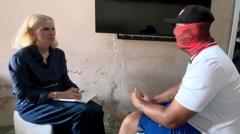
A gang leader operating in Ecuador, a nation grappling with an intensified drug war, spoke with Orla Guerin about the pervasive violence and the deep infiltration of criminal elements into the police force. The interview, conducted in a location undisclosed for security reasons, provided a rare glimpse into the mindset and operational realities of those at the forefront of the country's organized crime crisis. The gang leader, whose identity was concealed, described the drug trade as the primary driver of the escalating violence that has gripped Ecuador, leading to a state of internal armed conflict declared by President Daniel Noboa in January 2024. This declaration followed a series of brutal attacks, including the storming of a television studio by armed assailants, which underscored the state's struggle to regain control. The leader detailed how drug cartels, primarily linked to Mexican and Albanian mafias, utilize Ecuador as a transit point for cocaine destined for North America and Europe. This strategic position has fueled intense territorial disputes among various gangs, resulting in unprecedented levels of homicides and public insecurity. The conversation also shed light on the alarming extent of corruption within Ecuador's security apparatus. The gang leader asserted that many police officers are compromised, either actively collaborating with criminal organizations or turning a blind eye in exchange for bribes. This systemic corruption significantly hampers the government's efforts to combat drug trafficking and dismantle criminal networks, as intelligence is often leaked, and operations are undermined. The leader explained that the financial incentives offered by drug cartels are substantial, making it difficult for law enforcement officials, many of whom earn low salaries, to resist temptation. This corruption extends beyond the police to other state institutions, creating a complex web of complicity that benefits criminal enterprises. The interview highlighted the cyclical nature of violence, where drug profits are reinvested into acquiring more weapons, corrupting officials, and expanding operations, further entrenching the power of gangs. The leader spoke of the constant threat of betrayal and the need for extreme vigilance, even among fellow gang members. The report by Orla Guerin underscores the multifaceted nature of Ecuador's crisis, where the drug trade, pervasive violence, and deep-seated corruption intertwine, posing a formidable challenge to the government's attempts to restore order and security. The internal armed conflict framework, while a significant policy response, faces the immense hurdle of overcoming the influence and reach of these powerful criminal organizations within the very institutions meant to combat them. The economic impact of the drug war is also considerable, with illicit activities distorting legitimate markets and diverting resources from essential public services. The leader's candid remarks serve as a stark reminder of the human cost of this ongoing conflict and the deep societal fissures it has created.
Original source — read the full reporting at the publisher:
Read on BBC World NewsGet the weekly AI digest
AI news + new model releases, weekly. Drafted by our agents, reviewed by humans.