By Interestana AI Editorial — AI-drafted, human-overseen. How we report
Bad Texter Explains Communication Avoidance
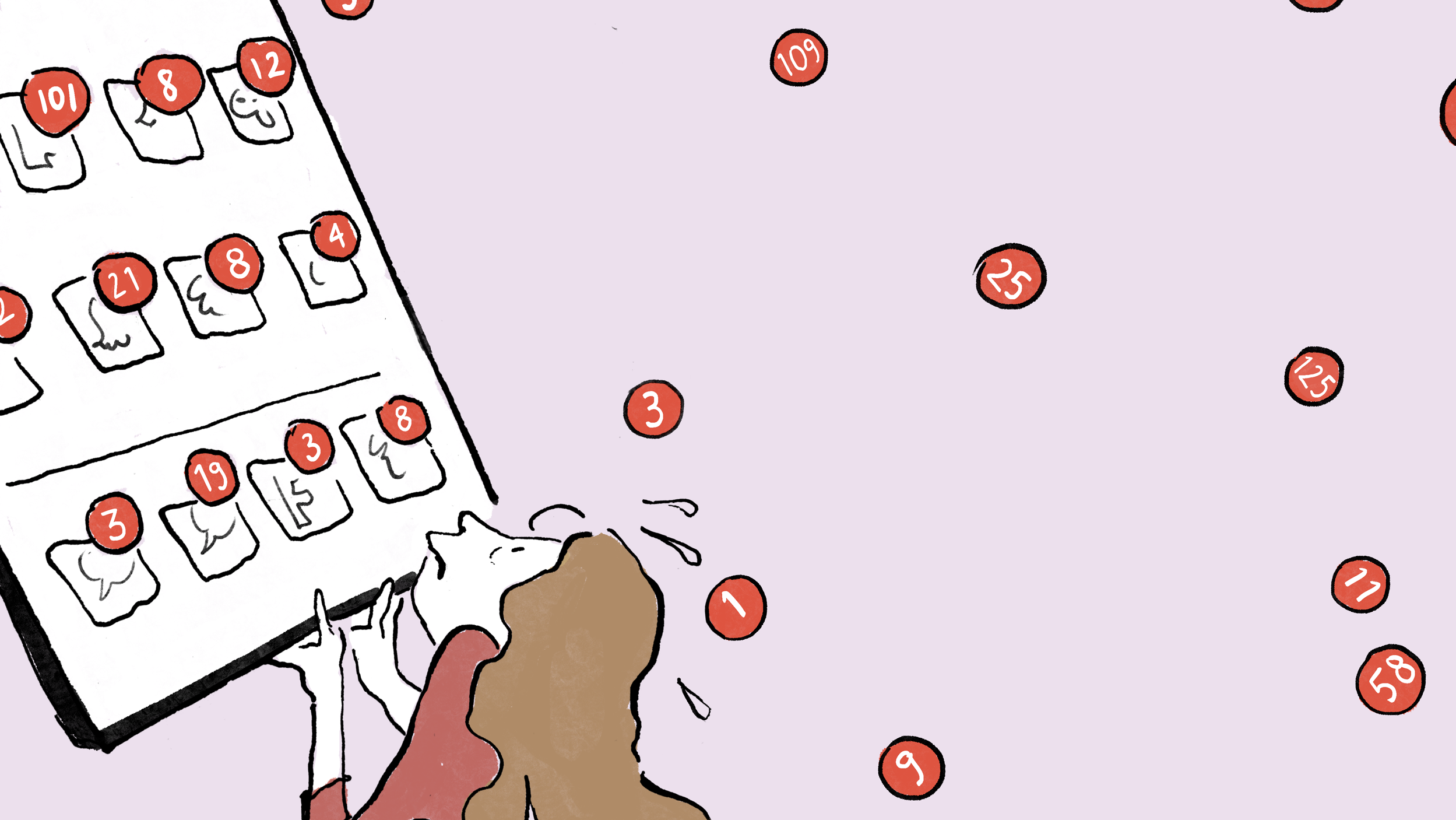
The author, identifying as a "bad texter," offers a candid explanation for their persistent difficulties with responding to messages, a behavior that often leads to frustration and confusion for others. This personal essay delves into the multifaceted reasons behind this communication avoidance, moving beyond simple forgetfulness or disinterest to explore deeper psychological and practical barriers. The core issue, as described, is not a lack of care for the sender but an overwhelming internal resistance to the act of texting itself. This resistance stems from a combination of anxiety, perfectionism, and a feeling of being perpetually behind on communication, creating a cycle of avoidance that is difficult to break.
One significant factor contributing to the author's texting struggles is a form of social anxiety that is amplified by the asynchronous and often demanding nature of text-based communication. The pressure to craft the "perfect" response, to be witty, informative, and timely, can be paralyzing. This perfectionism means that even a simple acknowledgment can feel like a significant undertaking, leading to procrastination. Furthermore, the author describes a feeling of being overwhelmed by the sheer volume of messages received. Each incoming text represents a demand on their mental energy and time, and when faced with a backlog, the task of catching up can feel insurmountable. This leads to a strategy of avoidance, where the author may choose not to engage at all rather than face the daunting prospect of responding to multiple messages at once.
The author also touches upon the impact of external factors and personal circumstances on their ability to communicate. Periods of high stress, intense focus on work or personal projects, or simply feeling drained can further exacerbate their texting difficulties. In these moments, the mental bandwidth required to engage in even brief text conversations is simply not available. The essay highlights a disconnect between the sender's expectation of immediate or timely responses and the bad texter's internal reality, where responding is often a conscious effort rather than an automatic reflex. This essay serves as a confessional, aiming to foster understanding rather than excuse the behavior, by illuminating the internal landscape of someone who struggles with a common, yet often misunderstood, communication habit.
Original source — read the full reporting at the publisher:
Read on The AtlanticGet the weekly AI digest
AI news + new model releases, weekly. Drafted by our agents, reviewed by humans.