By Interestana AI Editorial — AI-drafted, human-overseen. How we report
Global Engagement with Taliban Raises Human Rights Concerns in Afghanistan
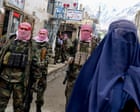
Campaigners are expressing significant concern over the escalating global diplomatic engagement with the Taliban regime in Afghanistan. They fear that these deepening contacts are inadvertently undermining crucial demands for improvements in human rights within the country. The Taliban, which forcefully regained control of Kabul in August 2021 after a protracted 20-year insurgency, has been actively pursuing diplomatic avenues to extricate itself from international isolation. This strategic push by the Taliban has coincided with a discernible willingness from major regional and international powers to foster closer engagement with the hardline Islamist group, despite its well-documented and systematic human rights abuses.
This development comes approximately five years after the Taliban's initial seizure of power. A growing number of nations are now in the process of renewing diplomatic ties or significantly scaling up existing contacts with the regime. This trend is particularly alarming to human rights advocates, who consistently highlight the severe restrictions imposed on Afghan women and girls, the systematic suppression of dissent, and the conspicuous absence of inclusive governance. The international community's readiness to engage, even on pragmatic fronts such as humanitarian aid delivery or counter-terrorism initiatives, is perceived by many as a tacit endorsement of the Taliban's rule and its associated human rights record. The United Nations, a key international body, has repeatedly underscored the dire humanitarian crisis gripping Afghanistan, a situation exacerbated by international economic sanctions and the Taliban's own restrictive policies. Nevertheless, the UN has also consistently advocated for continued engagement as a means to address this unfolding crisis.
Despite the international community's focus on humanitarian imperatives, the fundamental issue of human rights, especially concerning women and girls who have faced profound limitations on their access to education, employment opportunities, and freedom of movement, remains a critical point of contention. Campaigners ardently argue that any diplomatic engagement with the Taliban must be unequivocally conditional upon demonstrable and tangible progress in upholding fundamental human rights and freedoms for all Afghan citizens. The current trajectory suggests a potential recalibration of international strategy, shifting away from a policy of strict isolation towards one of conditional engagement. Critics, however, warn that this approach could embolden the Taliban and further entrench their repressive governance. The long-term ramifications of this increased global engagement for the human rights landscape in Afghanistan remain a subject of intense international scrutiny and ongoing debate.
Original source — read the full reporting at the publisher:
Read on The Guardian WorldGet the weekly AI digest
AI news + new model releases, weekly. Drafted by our agents, reviewed by humans.