By Interestana AI Editorial — AI-drafted, human-overseen. How we report
Kelvin Wave Threatens California With Foot-High Sea Level Rise
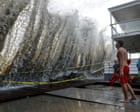
Concerns are escalating regarding a planetary-scale ocean phenomenon, identified as a 'kelvin' wave, that is projected to impact the California coastline. Scientists indicate this wave could elevate sea levels by as much as one foot. The threat is amplified by the ongoing development of an exceptionally strong El Niño in the Pacific Ocean, which is expected to increase the risk of storm surges and coastal flooding in the upcoming months. This particular kelvin wave is characterized by its slow movement and immense scale, spanning the entire planet's oceans.
The formation of a kelvin wave is intrinsically linked to shifts in atmospheric conditions during El Niño events. Typically, trade winds in the Pacific blow consistently from South America towards Asia. However, during El Niño years, these trade winds weaken or even reverse their direction. This alteration in wind patterns initiates a significant displacement of ocean water, creating a massive, slow-moving wave that propagates across the ocean basin. The current El Niño is described as "incredibly strong," suggesting a potent driver for the kelvin wave's development and its potential impact on sea levels.
While the term 'kelvin wave' might suggest rapid movement, these phenomena are known for their gradual progression, allowing them to build momentum and volume over extended periods. The projected one-foot sea level rise is a substantial increase that could exacerbate the effects of high tides and storm surges, leading to more severe coastal erosion and inundation. The combination of a heightened sea level baseline and increased storm activity presents a significant challenge for coastal communities and infrastructure in California.
Scientists are closely monitoring the progression of this kelvin wave and its interaction with the prevailing El Niño conditions. The precise timing and magnitude of its impact remain subjects of ongoing research and observation. However, the consensus among experts highlights the elevated risk of coastal flooding and the need for preparedness measures. The phenomenon underscores the complex interplay between atmospheric and oceanic systems and their profound influence on regional climate and sea level dynamics. The potential for a foot of sea level rise is a direct consequence of the trapped warm water along the coast, a condition exacerbated by the El Niño's influence on ocean currents and wind patterns.
Original source — read the full reporting at the publisher:
Read on The Guardian WorldGet the weekly AI digest
AI news + new model releases, weekly. Drafted by our agents, reviewed by humans.