By Interestana AI Editorial — AI-drafted, human-overseen. How we report
School Improvement Demands Collective Action
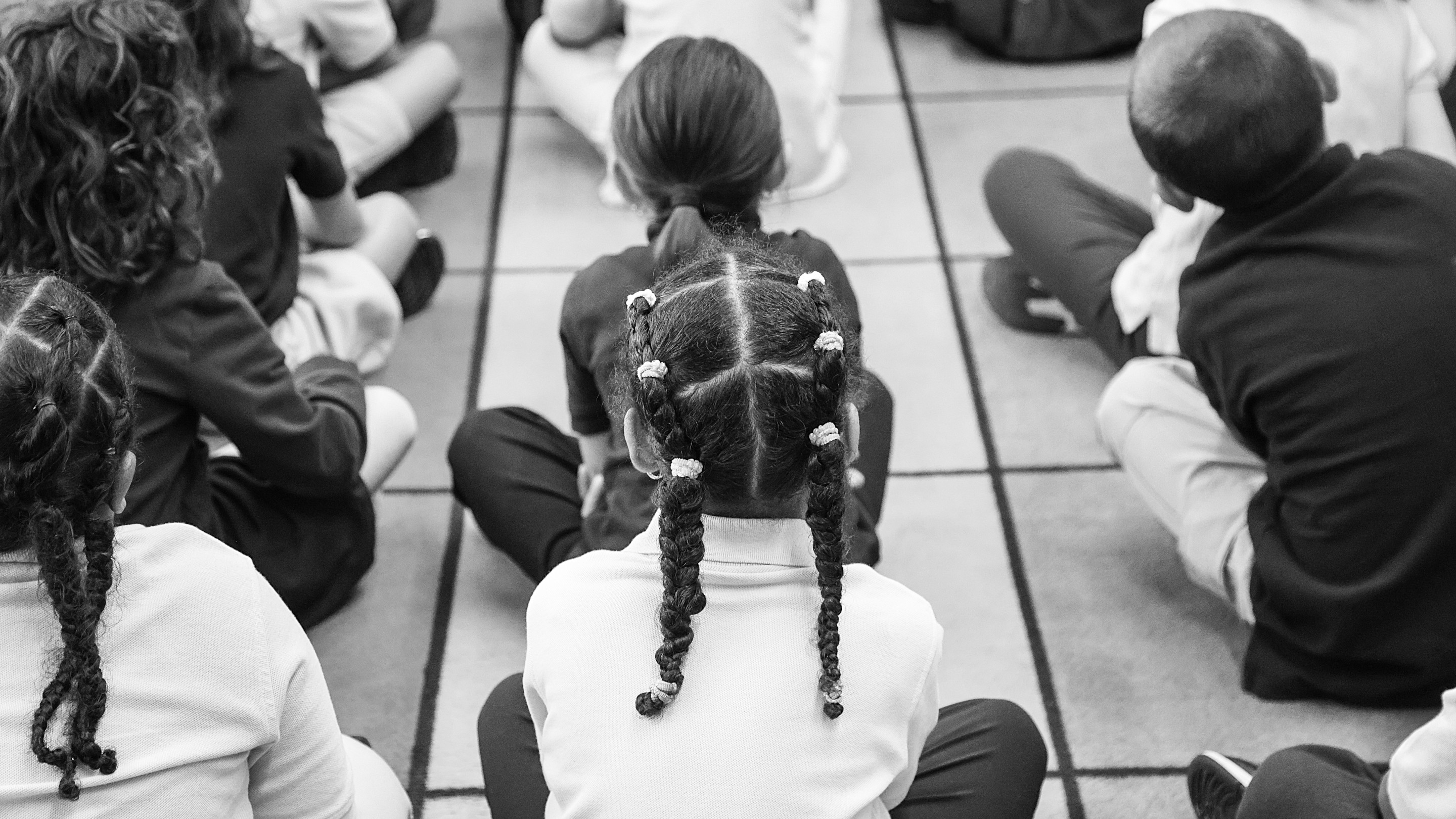
Addressing the complex challenges within underperforming schools necessitates a comprehensive and collective approach, underscoring the significant difficulties involved in achieving meaningful improvement. The commitment of parents is a critical factor, but it is insufficient on its own to overcome the systemic issues that plague these educational institutions. True reform requires a synergistic effort involving not only parents but also educators, administrators, policymakers, and the broader community.
These efforts must be sustained over time, as educational turnaround is rarely a swift process. It involves a deep dive into the root causes of underachievement, which can range from inadequate funding and resources to outdated curricula, insufficient teacher training, and socioeconomic factors impacting students' lives outside of school. For instance, a school district might face challenges related to a high student-to-teacher ratio, which directly affects the quality of individualized attention students receive. Similarly, a lack of access to up-to-date technology or essential learning materials can create significant barriers to academic success.
Furthermore, the success of any intervention strategy is contingent upon its ability to address the specific context of each school. What works in one community may not be effective in another, highlighting the need for tailored solutions rather than one-size-fits-all policies. This involves careful diagnosis of the school's unique strengths and weaknesses, followed by the development and implementation of targeted programs. For example, a school struggling with low literacy rates might benefit from intensive reading intervention programs, while another facing issues with student engagement might require the introduction of project-based learning or extracurricular activities that foster a sense of belonging and purpose.
The collaborative nature of school improvement means that all stakeholders must be aligned in their goals and strategies. This requires open communication channels, shared decision-making processes, and a mutual understanding of the challenges and opportunities at hand. When parents, teachers, and administrators work in concert, they can create a more supportive and effective learning environment. This includes advocating for necessary policy changes at local and state levels, securing additional funding, and fostering partnerships with community organizations that can provide supplementary resources and support services. The journey to transforming a struggling school is arduous, demanding resilience, adaptability, and an unwavering belief in the potential of every student.
Original source — read the full reporting at the publisher:
Read on The AtlanticGet the weekly AI digest
AI news + new model releases, weekly. Drafted by our agents, reviewed by humans.