By Interestana AI Editorial — AI-drafted, human-overseen. How we report
Colorado Town Hartman Declared Abandoned Amid Water Crisis
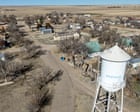
The town of Hartman, Colorado, was officially declared abandoned on July 29, 2026, by the office of Colorado’s Secretary of State, Jena Griswold. This declaration followed a severe drinking water crisis that left the town's supply undrinkable and a complete breakdown in local governance, with all town leaders having resigned. The decision to abandon Hartman was prompted by a formal request from its residents, who cited the escalating issues as insurmountable. Public documents revealed that the town had been without adequate chlorine in its water supply for over a month, rendering it non-potable and emitting a foul odor. This critical failure in basic infrastructure, coupled with internal disputes, created an untenable living situation for the remaining residents.
The crisis in Hartman highlights a broader challenge facing many small, rural communities in the United States, where aging infrastructure, limited financial resources, and difficulties in attracting and retaining qualified local officials can lead to severe service disruptions. The resignation of all town leaders, a rare but significant event, underscores the depth of the leadership vacuum and the inability to address the pressing water contamination issue. The Colorado Secretary of State's office, in its announcement, confirmed that the town had been advised in writing about the severity of the water problem, including its lack of potability and unpleasant smell, prior to the official declaration of abandonment. This indicates a period of awareness and inaction or inability to resolve the crisis before the final step was taken.
The abandonment of Hartman means that the town will cease to function as a municipality. Its assets, responsibilities, and governance will likely be absorbed by the surrounding county or state authorities, depending on existing legal frameworks for defunct municipalities. This process typically involves a formal dissolution of the town's charter and a transfer of its legal and administrative duties. The situation in Hartman serves as a stark case study in the fragility of local governance and essential services in the face of environmental challenges and internal discord. The residents' plea for abandonment signals a recognition that the town's viability as a self-governing entity had been compromised beyond repair, leaving them with no alternative but to seek external intervention and, ultimately, to leave their homes.
While the specific details of the infighting among town leaders were not fully elaborated in the initial reports, it is understood that these disputes exacerbated the already critical water crisis. The inability of the leadership to cooperate or to find solutions for the town's most basic needs, such as safe drinking water, directly contributed to the residents' decision to seek abandonment. The Colorado Secretary of State's office, by acting on the residents' request and the documented failures of the town's infrastructure and leadership, has effectively acknowledged the end of Hartman as an incorporated municipality. This event is likely to draw attention to the needs of similar small communities facing similar challenges across the state and the nation, potentially spurring discussions about state and federal support for rural infrastructure and governance.
Original source — read the full reporting at the publisher:
Read on The Guardian WorldGet the weekly AI digest
AI news + new model releases, weekly. Drafted by our agents, reviewed by humans.