By Interestana AI Editorial — AI-drafted, human-overseen. How we report
College Lab Incident Leads to Antibiotics for 32 After Germ Scare
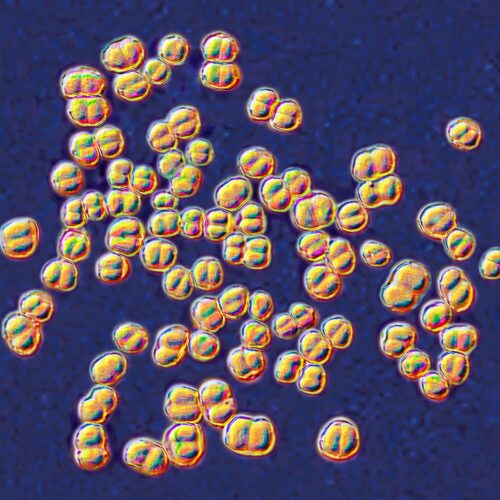
A microbiology lab class at an unnamed college experienced a significant scare when 33 individuals, comprising students, professors, and lab workers, believed they had been exposed to a deadly germ. As a precautionary measure against a potentially life-threatening infection, 32 of these individuals commenced a course of antibiotics. The incident, detailed in a recent issue of the Morbidity and Mortality Weekly Report, involved a standard laboratory exercise where students were tasked with identifying mystery bacteria using biochemical tests and morphological characterization. During this exercise, a situation arose that led to the widespread concern of exposure to a dangerous pathogen. Two individuals within the group developed mild symptoms and subsequently underwent lumbar punctures, also known as spinal taps, as part of their medical evaluation. Fortunately, subsequent investigations confirmed that none of the participants had actually been exposed to a hazardous microorganism. This fortunate outcome transformed what could have been a severe public health event into a cautionary narrative regarding laboratory safety protocols and the management of perceived biological risks. The report highlights the importance of rigorous identification and containment procedures in educational laboratory settings, even when dealing with routine exercises. The prompt administration of antibiotics to a large group underscores the seriousness with which potential exposures to dangerous pathogens are treated in academic and research environments, as well as the potential for significant resource allocation in response to perceived threats. The incident serves as a reminder of the critical need for clear communication and accurate assessment of risks in laboratory settings to prevent unnecessary medical interventions and public anxiety. The Morbidity and Mortality Weekly Report, a publication of the Centers for Disease Control and Prevention (CDC), regularly disseminates vital public health information and case studies, making this incident a documented event within the public health discourse. The specific nature of the "mystery bacteria" exercise and the precise circumstances that led to the mistaken belief of exposure were not detailed in the provided information, but the outcome emphasizes the reliance on diagnostic confirmation before initiating extensive medical treatments.
Original source — read the full reporting at the publisher:
Read on Ars TechnicaGet the weekly AI digest
AI news + new model releases, weekly. Drafted by our agents, reviewed by humans.