By Interestana AI Editorial — AI-drafted, human-overseen. How we report
College Students Move Into Retirement Communities
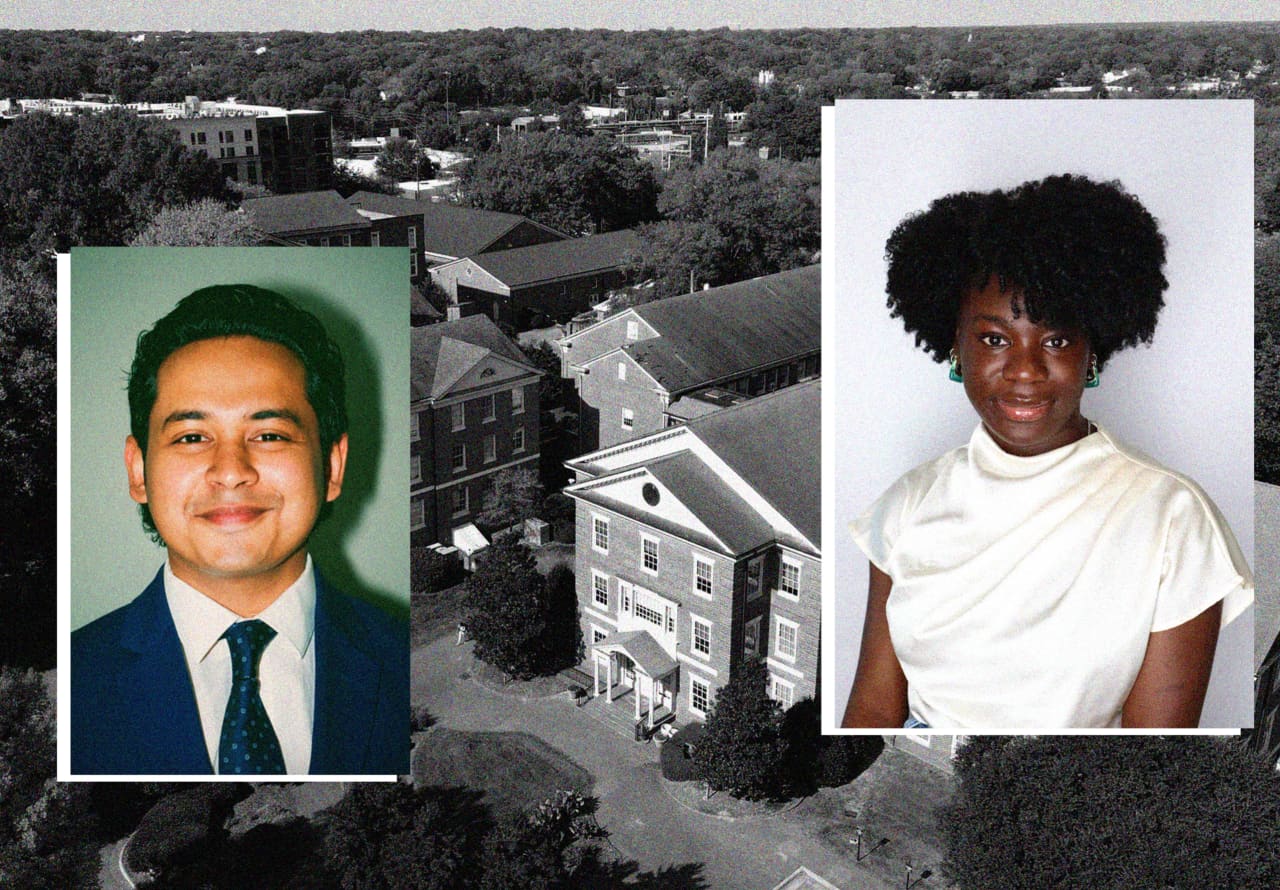
College students are increasingly opting to reside in retirement communities, a trend driven by factors extending beyond mere affordability. These arrangements foster unique intergenerational connections, with students actively participating in community life. For instance, students have been observed planning game nights and even teaching gym classes for the residents. This initiative goes beyond a simple housing solution, aiming to create a symbiotic living environment where both younger and older generations can benefit from shared experiences and mutual learning. The concept highlights a growing interest in alternative living situations that promote social interaction and community engagement across different age groups.
While the specific motivations for this trend can vary, the underlying theme is the creation of a more integrated and socially rich living experience. Students gain access to a stable and often more affordable living situation, while retirement communities benefit from the energy, fresh perspectives, and assistance that younger residents can provide. The activities undertaken by students, such as organizing social events and educational sessions, demonstrate a commitment to enriching the lives of the senior residents. These interactions can combat feelings of isolation often experienced by older adults and provide students with valuable life skills and a deeper understanding of different life stages. The success of such programs often hinges on careful planning and management to ensure that the needs and expectations of both student residents and the existing community members are met.
However, the transition is not without its adjustments. One student noted that while the days are filled with activities, "by 7:30 or 8, things get pretty quiet here," indicating a difference in lifestyle pacing between college students and the typical retirement community schedule. This observation underscores the need for a balanced approach, ensuring that the environment caters to the social needs of younger residents while respecting the established routines of the senior population. The long-term viability and expansion of such programs will likely depend on their ability to navigate these differences effectively and create a truly inclusive and mutually beneficial living arrangement. Further research into the specific demographics, geographical locations, and management models of these intergenerational housing initiatives could provide deeper insights into their impact and potential for wider adoption.
Original source — read the full reporting at the publisher:
Read on MarketWatchGet the weekly AI digest
AI news + new model releases, weekly. Drafted by our agents, reviewed by humans.