By Interestana AI Editorial — AI-drafted, human-overseen. How we report
College Football Viewership Drops 11% Amid ESPN Political Content
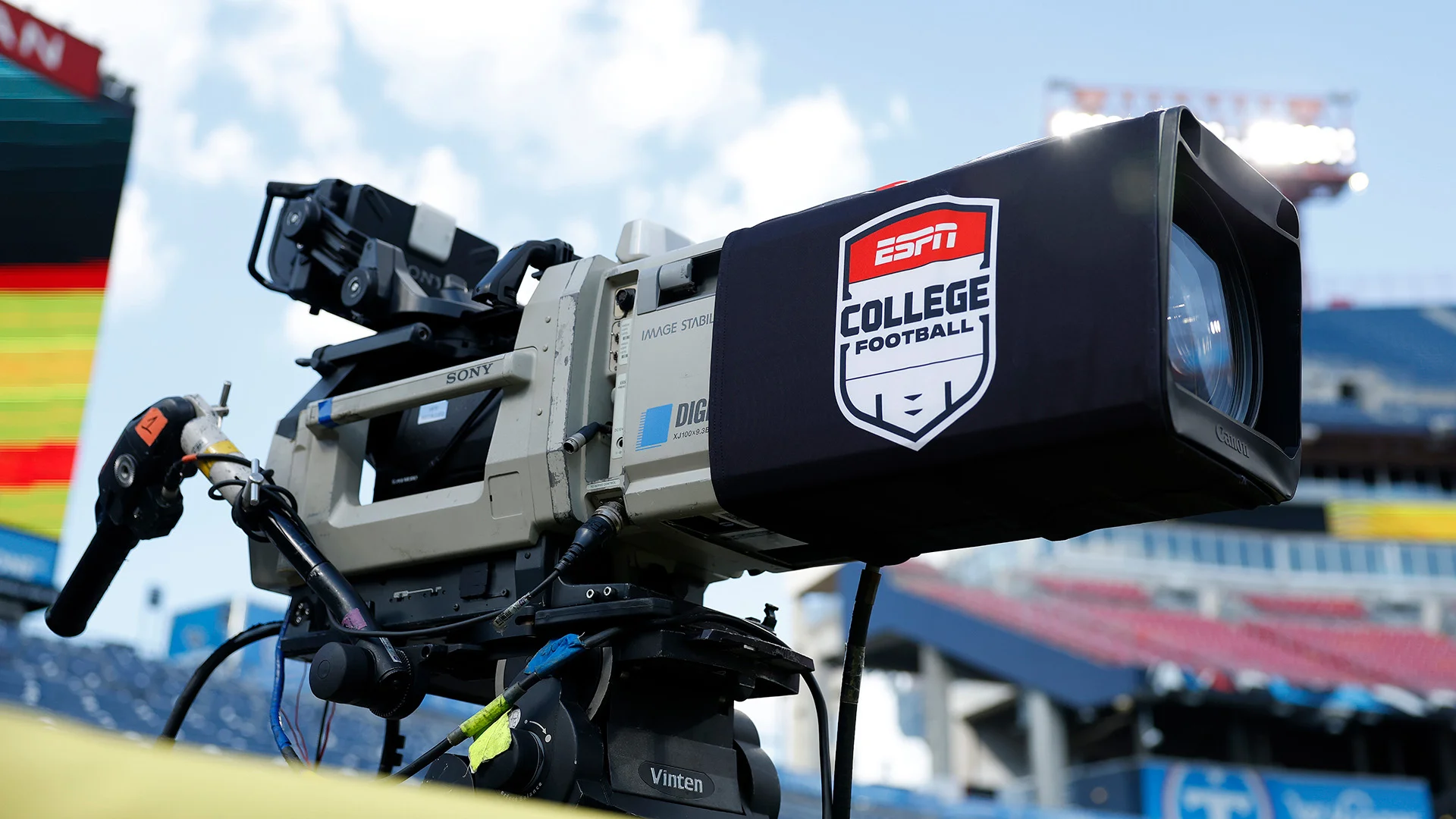
College football viewership has experienced an 11% decline, a trend that some observers and industry analysts are linking to ESPN's increasing integration of political commentary into its sports coverage. This shift in content strategy by the prominent sports network appears to be alienating a segment of its traditional audience, contributing to lower ratings for games. The network's push towards more explicit political advocacy, particularly in recent years, has become a focal point in discussions surrounding the sport's declining viewership numbers.
While multiple factors can influence sports viewership, including the quality of games, team performance, and broader media consumption habits, the specific timing and nature of ESPN's content changes have drawn particular scrutiny. The network, owned by The Walt Disney Company, has historically been a dominant force in sports broadcasting, with college football being a cornerstone of its programming. However, the perceived move away from purely sports-focused content towards more politically charged narratives has reportedly led to viewer dissatisfaction. This dissatisfaction is manifesting in reduced tune-in rates for games broadcast on ESPN and its affiliated channels.
Analysts suggest that the audience for college football is diverse, and a significant portion may prefer to engage with sports as an escape from political discourse. By injecting political advocacy into its broadcasts, ESPN may be inadvertently alienating viewers who do not share its particular viewpoints or who simply wish to consume sports content without political commentary. This strategy, while potentially resonating with a different demographic or fulfilling a perceived social responsibility by the network, comes at the cost of its established viewership base. The 11% drop in ratings represents a tangible impact on the network's ability to attract advertisers and maintain its market dominance in sports broadcasting.
The situation highlights a broader challenge facing media companies in the current polarized environment: balancing diverse audience expectations with editorial stances. For ESPN, a network built on delivering sports to a wide array of fans, the decision to amplify political messaging carries significant financial and cultural implications. The long-term consequences of this strategy on college football's popularity and ESPN's future viewership remain to be seen, but the immediate impact is a measurable decline in engagement with the sport.
Original source — read the full reporting at the publisher:
Read on Inc.Get the weekly AI digest
AI news + new model releases, weekly. Drafted by our agents, reviewed by humans.