By Interestana AI Editorial — AI-drafted, human-overseen. How we report
Glacier Collapse Likely Caused Nepal-Tibet Flood
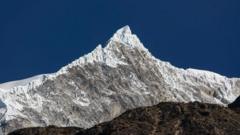
A collapsed glacier is the most probable cause of the devastating floods that recently inundated parts of Nepal and Tibet, according to preliminary scientific investigations. This event underscores the escalating threat posed by rapidly melting Himalayan ice, a direct consequence of global climate change. The precise date of the flood event was not specified in the initial reports, but its impact was significant, leading to widespread destruction and displacement in the affected regions.
The Himalayan region, often referred to as the "Third Pole," is home to the largest volume of ice outside of the Arctic and Antarctic. This ice mass is crucial for the water supply of billions of people across Asia, feeding major rivers such as the Ganges, Indus, Yangtze, and Mekong. However, studies have consistently shown that Himalayan glaciers are melting at an accelerated rate compared to global averages. For instance, a 2021 study published in Nature Geoscience indicated that Himalayan glaciers have been losing ice at a rate of about 0.9 meters per year since 2000, and that this rate has doubled since the 1970s. This rapid melting increases the risk of glacial lake outburst floods (GLOFs), where meltwater accumulates behind unstable ice or moraine dams, eventually leading to catastrophic dam failures and flash floods.
Scientists are increasingly concerned about the stability of these glacial formations. The collapse of a glacier, whether due to internal instability or external factors like seismic activity or rapid melting, can release massive amounts of water and debris. This material then travels downstream, causing immense destruction. The recent floods in Nepal and Tibet are consistent with the patterns observed in GLOFs, characterized by sudden, powerful surges of water and ice. The preliminary findings suggest that the sheer volume of water released was substantial enough to cause widespread damage across borders, affecting communities in both Nepal and the Tibet Autonomous Region of China.
This incident serves as a stark reminder of the vulnerability of mountain ecosystems and the communities that depend on them. The Intergovernmental Panel on Climate Change (IPCC) has repeatedly warned about the severe impacts of climate change on high-mountain regions. The accelerated melting of glaciers not only increases the risk of floods but also threatens long-term water security for downstream populations. International cooperation and robust climate mitigation strategies are deemed essential to address these growing threats. Further detailed studies are expected to provide more specific information on the exact mechanisms of the glacier collapse and the precise volume of water released, as well as to assess the long-term implications for the region's hydrology and the safety of its inhabitants.
Original source — read the full reporting at the publisher:
Read on BBC World NewsGet the weekly AI digest
AI news + new model releases, weekly. Drafted by our agents, reviewed by humans.