By Interestana AI Editorial — AI-drafted, human-overseen. How we report
Coalition Plan to Cut Housing Energy Standards Criticized
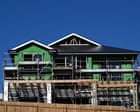
A proposal by the Australian Coalition to abolish compulsory energy standards for new homes has drawn sharp criticism from advocacy groups, who label it a "cost-of-living timebomb" that would disproportionately affect the poorest households and deepen inequality. The Coalition's housing and environment spokesperson, Andrew Bragg, outlined the plan to significantly reduce the National Construction Code, from over 2,000 pages to a mere 80. This reduction would eliminate requirements beyond ensuring new homes are "basic and safe," effectively making long-standing compulsory energy efficiency and accessibility measures "optional extras." Critics argue that these standards are crucial for mitigating the impacts of extreme weather, such as heatwaves and cold snaps, thereby reducing household energy bills and improving living conditions. The proposed deregulation is seen as a move to cut building costs, but opponents contend that the long-term financial burden on residents, particularly those with lower incomes, would far outweigh any initial savings. The debate highlights a fundamental disagreement on the role of government regulation in housing construction, with the Coalition advocating for reduced red tape and critics emphasizing the need for minimum standards to ensure affordability, sustainability, and habitability. The National Construction Code, which the Coalition plans to overhaul, sets out minimum requirements for the design, construction, and performance of buildings across Australia. Its energy efficiency provisions, for instance, mandate certain levels of insulation, window performance, and ventilation to reduce the need for artificial heating and cooling. Scrapping these requirements, critics argue, would lead to homes that are more expensive to heat in winter and cool in summer, placing a significant strain on household budgets. This is particularly concerning given the rising cost of energy and the increasing frequency and intensity of extreme weather events attributed to climate change. Advocacy groups have pointed out that while the initial construction cost might decrease, the lifetime cost of owning and operating such homes would increase substantially. They contend that the government has a responsibility to ensure that new housing stock is built to a standard that protects residents from the elements and minimizes ongoing utility expenses. The Coalition's plan, as presented, suggests a departure from the current approach, which prioritizes a baseline level of performance and comfort for all new dwellings. The opposition's spokesperson, Andrew Bragg, has not yet detailed specific alternative measures to ensure energy efficiency or accessibility if these compulsory standards are removed, leaving concerns about the potential for substandard housing to enter the market. The debate is expected to intensify as the implications for energy poverty, public health, and environmental sustainability become clearer.
Original source — read the full reporting at the publisher:
Read on The Guardian WorldGet the weekly AI digest
AI news + new model releases, weekly. Drafted by our agents, reviewed by humans.