By Interestana AI Editorial — AI-drafted, human-overseen. How we report
CME CEO Duffy Warns of Tax Risk for U.S. Perpetual Futures
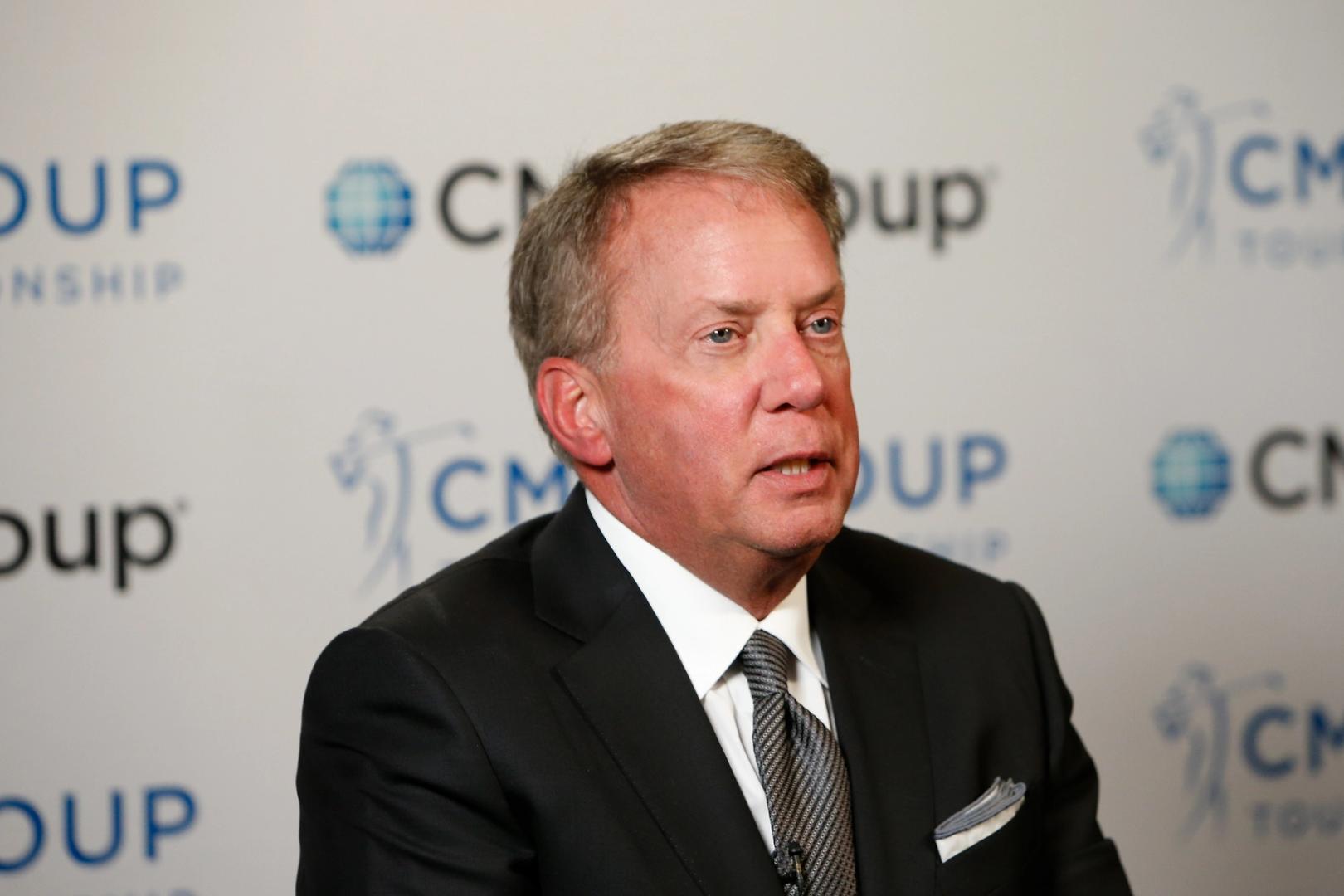
CME Group CEO Terry Duffy has issued a warning regarding an overlooked tax risk that could impact U.S. perpetual futures contracts. Duffy stated that an ongoing court battle concerning the classification of these financial instruments—whether they should be legally defined as swaps or futures—poses a significant threat to how the Internal Revenue Service (IRS) will ultimately tax them. This legal ambiguity, according to Duffy, has the potential to create substantial tax implications for participants in the U.S. derivatives market. Independent legal experts have corroborated Duffy's concern, indicating that the classification issue remains unresolved and continues to be a point of contention within the financial and legal communities. The outcome of this legal challenge could set a precedent for how similar derivative products are treated for tax purposes, potentially affecting a broad range of market participants and investment strategies. Perpetual futures, which are financial contracts that allow traders to speculate on the price of an asset without an expiry date, have gained considerable traction in various markets, including cryptocurrencies and traditional commodities. Their unique structure, however, has led to questions about their regulatory and tax treatment, particularly in jurisdictions like the United States. The core of the dispute lies in distinguishing between the characteristics of a futures contract and a swap agreement, as these classifications carry different tax treatments under U.S. law. Futures contracts are typically subject to mark-to-market accounting, where gains and losses are recognized annually, while swaps may have different recognition rules. The uncertainty surrounding this classification could lead to unexpected tax liabilities for investors and trading firms, potentially impacting liquidity and market participation. Duffy's public statement underscores the urgency for clarity on this matter, suggesting that the industry needs a definitive resolution to avoid future complications and ensure a stable regulatory environment. The CME Group, as a major operator of futures exchanges, has a vested interest in the clear and consistent regulation of derivative products. The company's stance reflects a broader concern within the financial industry about the potential for regulatory misinterpretations to disrupt established trading practices and introduce unforeseen financial burdens. The ongoing legal proceedings, while not yet resulting in a definitive ruling, have created a cloud of uncertainty that Duffy believes is being underestimated by many market participants. He emphasized that the implications extend beyond just the immediate tax consequences, potentially influencing the development and adoption of new financial products in the future. The resolution of this tax risk is crucial for maintaining the integrity and efficiency of the U.S. derivatives market, ensuring that traders and investors can operate with a clear understanding of their tax obligations.
Original source — read the full reporting at the publisher:
Read on CoinDeskGet the weekly AI digest
AI news + new model releases, weekly. Drafted by our agents, reviewed by humans.