By Interestana AI Editorial — AI-drafted, human-overseen. How we report
Storj Files Chapter 11 Bankruptcy, Proposes Token Holder Equity
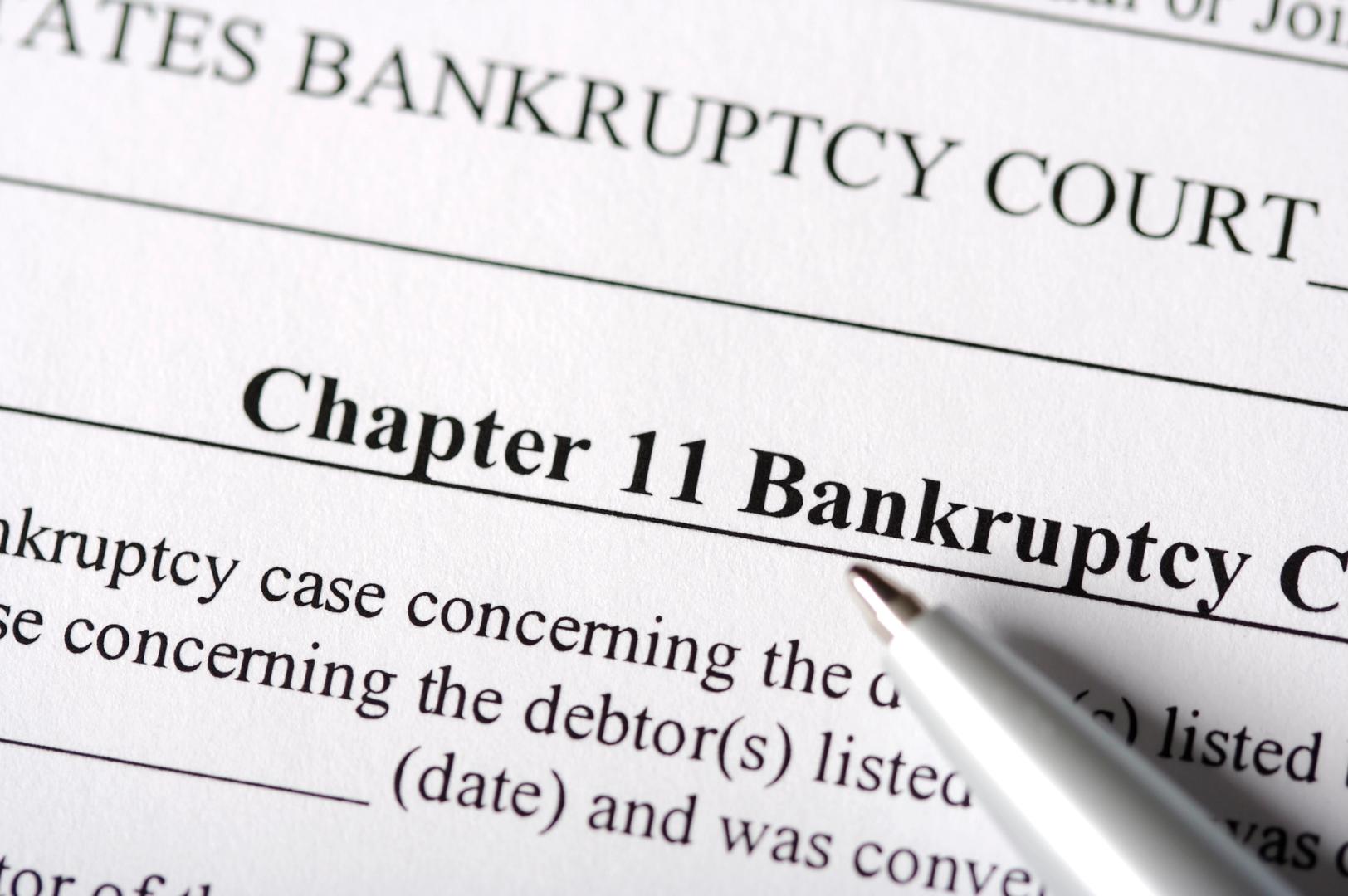
Decentralized cloud storage provider Storj announced its filing for Chapter 11 bankruptcy protection on May 20, 2024, marking another significant event in a challenging week for the cryptocurrency sector. The company stated that its day-to-day operations will continue uninterrupted during the restructuring process. Storj's filing follows a series of financial difficulties experienced by other entities within the crypto space, highlighting ongoing volatility and regulatory scrutiny in the industry. A notable aspect of Storj's proposed restructuring plan is its intention to offer equity in the reorganized business to its token holders. This arrangement is considered unusual within bankruptcy proceedings, where typically creditors and shareholders are the primary focus for recovery. The company aims to leverage its existing token holders as a base for the future equity structure, a move that could set a precedent for other decentralized projects facing financial distress. The Storj token (STORJ) experienced a decline of approximately 16% following the bankruptcy announcement, reflecting market sentiment and investor reaction to the news. Storj operates as a decentralized cloud storage network, utilizing a distributed system of nodes operated by individuals and organizations to store data. This model contrasts with traditional centralized cloud providers like Amazon Web Services (AWS) or Google Cloud. The company's native token, STORJ, is used within its ecosystem for payments and incentivizing node operators. Chapter 11 bankruptcy allows a company to reorganize its debts and business operations while continuing to operate, aiming for a sustainable future. The specific terms of the equity distribution to token holders are expected to be detailed as the bankruptcy proceedings advance. The broader implications of Storj's filing may extend to other decentralized finance (DeFi) and Web3 projects, particularly those with token-based economic models that may need to consider similar restructuring strategies in the face of market downturns or operational challenges. The company's commitment to maintaining operations suggests a belief in the underlying technology and business model, despite the current financial hurdles. Further details regarding the restructuring plan and the timeline for its implementation will likely emerge through court filings and company communications. The success of this novel approach to bankruptcy for a crypto-related entity could influence how similar companies navigate financial distress in the future.
Original source — read the full reporting at the publisher:
Read on CoinDeskGet the weekly AI digest
AI news + new model releases, weekly. Drafted by our agents, reviewed by humans.