By Interestana AI Editorial — AI-drafted, human-overseen. How we report
Climate Crisis Linked to Deadly Nepal-Tibet Floods
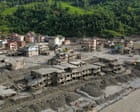
The climate crisis likely played a significant role in the catastrophic glacier collapse that triggered devastating floods in Nepal and Tibet in August, resulting in over 1,300 fatalities. This conclusion is based on the first scientific study to investigate the disaster, which identified unusually warm conditions preceding the event. Researchers found that global heating acted as a destabilizing factor on the 200,000 square meter glacier before its collapse.
The glacier's disintegration released an estimated 110 million cubic meters of snow and ice, which cascaded into the valley below. This massive ice and snow avalanche initiated flash floods of an "almost unprecedented scale," according to the study. The torrents swept through downstream communities in Nepal and Tibet with little to no warning, overwhelming local populations and infrastructure. The disaster highlights the increasing vulnerability of Himalayan regions to climate change impacts, particularly the rapid melting of glaciers and the potential for glacial lake outburst floods (GLOFs) and ice avalanches.
While the study does not provide a definitive percentage of climate change's contribution, it strongly indicates that rising global temperatures weakened the glacier's structure, making it more susceptible to collapse. The unusually warm conditions observed prior to the event are consistent with broader trends of accelerated warming in high-altitude regions. The Himalayas are warming at a rate significantly faster than the global average, leading to widespread glacier retreat and increased risks of natural hazards. This event serves as a stark reminder of the cascading effects of climate change, where warming temperatures can directly lead to extreme weather events and geological instability.
The findings underscore the urgent need for enhanced climate adaptation and mitigation strategies in regions like the Himalayas. Communities in Nepal and Tibet, often reliant on agriculture and natural resources, are particularly exposed to the impacts of climate-induced disasters. The study's authors emphasize the importance of continuous monitoring of glacial environments and the development of early warning systems to minimize future loss of life and property. The scale of the devastation, with over 1,300 people confirmed dead and extensive damage to infrastructure and livelihoods, points to the profound human cost of climate change. The scientific community is increasingly focused on quantifying the role of human-induced warming in such extreme events to inform policy and drive global action.
Original source — read the full reporting at the publisher:
Read on The Guardian WorldGet the weekly AI digest
AI news + new model releases, weekly. Drafted by our agents, reviewed by humans.