By Interestana AI Editorial — AI-drafted, human-overseen. How we report
Clemson's 'Cardboard Shoe' EV: A BMW Challenge to Create an Energy-Positive Vehicle
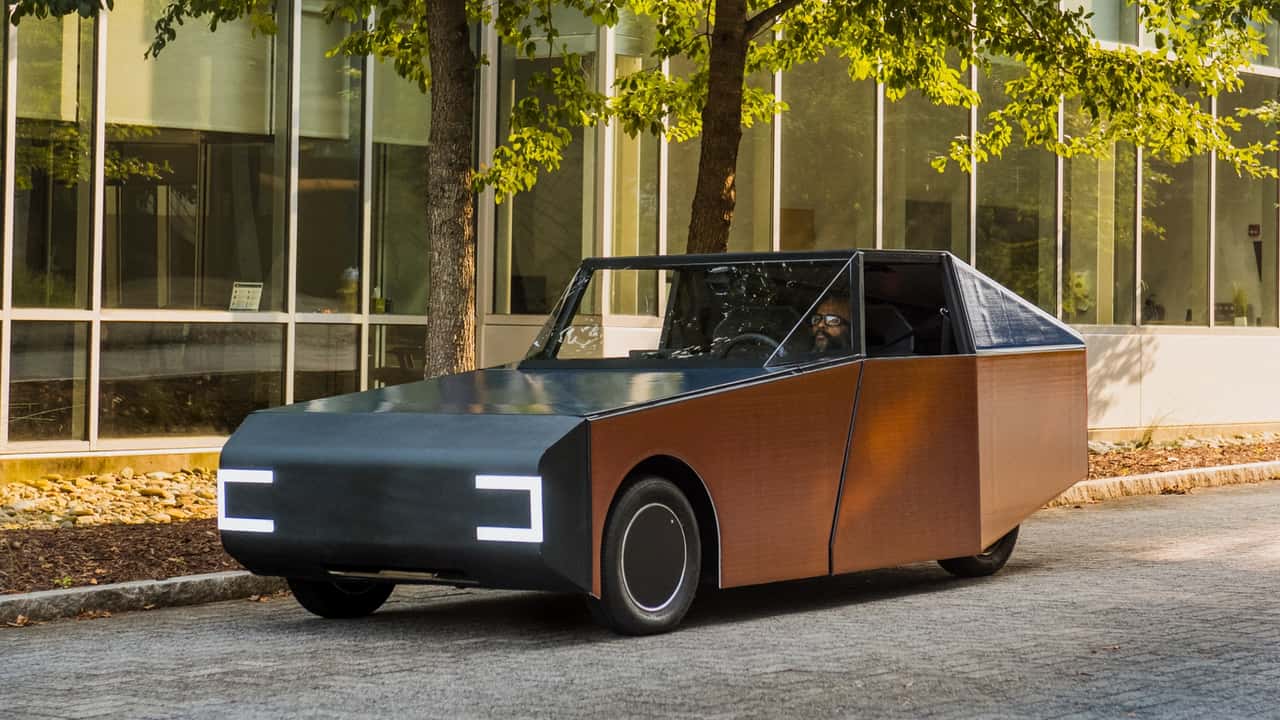
Graduate students at Clemson University have successfully developed an innovative electric vehicle (EV) concept that is designed to be energy-positive, a significant feat that means it generates more electricity than it consumes. This ambitious undertaking was a direct response to a challenge issued by BMW, the renowned German luxury automotive manufacturer, known for its own advancements in electric mobility with its 'i' sub-brand. The project aimed to push the boundaries of EV technology by focusing on both extreme energy efficiency and on-board energy generation.
The resulting prototype, affectionately nicknamed the "Cardboard Shoe" due to its strikingly unconventional and utilitarian appearance, prioritizes function over form. Its design is a testament to the students' dedication to maximizing energy capture and minimizing energy expenditure. A key feature is the extensive integration of advanced solar panels directly into the vehicle's bodywork. This allows the car to continuously harvest solar energy from its surroundings, not just when parked but also while in motion. Complementing this energy generation capability is a relentless focus on efficiency. The students employed lightweight construction techniques and meticulously applied aerodynamic principles to reduce the vehicle's power requirements to an absolute minimum. This dual approach ensures that the energy harvested from the sun significantly surpasses the energy needed to operate the vehicle, fulfilling the energy-positive mandate.
This initiative from Clemson University, a leading institution in automotive engineering research, reflects a broader and intensifying trend within the global automotive industry. Manufacturers and researchers alike are increasingly exploring sustainable and self-sufficient transportation solutions. BMW's direct involvement, by posing this specific challenge, underscores the automotive sector's keen interest in exploring and fostering cutting-edge technologies that have the potential to fundamentally redefine the future of electric vehicles. Such innovations could lead to a reduced reliance on traditional, grid-based charging infrastructure, offering a more decentralized and sustainable energy model for personal mobility.
The development process for the "Cardboard Shoe" involved a multidisciplinary approach, encompassing extensive research and development in materials science for lightweighting, advanced solar energy conversion technologies, and highly efficient electric powertrain design. The student team's objective was to create a functional prototype that not only met the stringent energy-positive criteria but also demonstrated practical usability for potential real-world application. While its aesthetic might be unconventional, the underlying engineering principles are sophisticated and forward-thinking. They directly address critical challenges in EV sustainability, energy management, and the potential for vehicles to actively contribute to the power grid, rather than solely drawing from it. This represents a significant conceptual step towards realizing a more circular economy within the transportation sector.
Original source — read the full reporting at the publisher:
Read on InsideEVsGet the weekly AI digest
AI news + new model releases, weekly. Drafted by our agents, reviewed by humans.