By Interestana AI Editorial — AI-drafted, human-overseen. How we report
Claude Integrates Browser Tabs With Desktop App
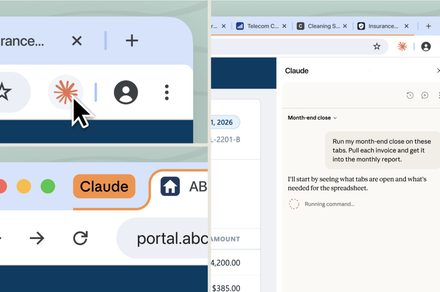
Anthropic has enhanced its Claude AI assistant by enabling seamless integration between its Chrome browser extension and its desktop application. This upgrade allows conversations, custom skills, and connectors to persist across both environments, providing a more continuous and integrated user experience. Previously, users might have had to re-establish context or re-input information when switching from a browser-based Claude interaction to the desktop version. Now, the AI can maintain awareness of ongoing dialogues and access previously configured tools regardless of whether the user is interacting through a web tab or the dedicated desktop software.
This development signifies a move towards more persistent and context-aware AI assistants that can operate across different user interfaces and workflows. The ability for Claude to "pull data from your browser tabs" suggests a sophisticated level of integration that could allow the AI to reference information currently displayed on a user's screen or within their browsing history, provided appropriate permissions are granted. This capability could significantly streamline tasks that involve research, data synthesis, or content creation, as Claude can potentially access and process information directly from the web pages a user is viewing without requiring manual copying and pasting.
The persistence of "skills and connectors" is another key aspect of this update. Claude's skills are custom functionalities that users can build or utilize to extend the AI's capabilities, such as summarizing documents, drafting emails, or performing specific data analysis. Connectors likely refer to integrations with third-party applications or services. By ensuring these are carried over between the browser and desktop, Anthropic is aiming to create a unified platform where users can develop and deploy their AI workflows without interruption. This reduces the friction associated with setting up or reconfiguring tools when shifting between different interaction points, thereby increasing the overall utility and efficiency of the Claude AI.
While the specifics of how Claude accesses browser tab data are not detailed, it implies a robust mechanism for information retrieval and processing. This could involve analyzing the DOM (Document Object Model) of web pages, accessing metadata, or potentially leveraging browser APIs. The emphasis on continuity suggests that the AI's memory and state are being synchronized effectively, allowing for a more fluid interaction. This integration is particularly beneficial for power users who rely on Claude for complex tasks that span multiple web pages and applications, ensuring that the AI remains a consistent and helpful assistant throughout their digital activities.
Original source — read the full reporting at the publisher:
Read on Digital TrendsGet the weekly AI digest
AI news + new model releases, weekly. Drafted by our agents, reviewed by humans.