By Interestana AI Editorial — AI-drafted, human-overseen. How we report
CLARITY Act Odds Drop to 16% Amidst Democratic Opposition
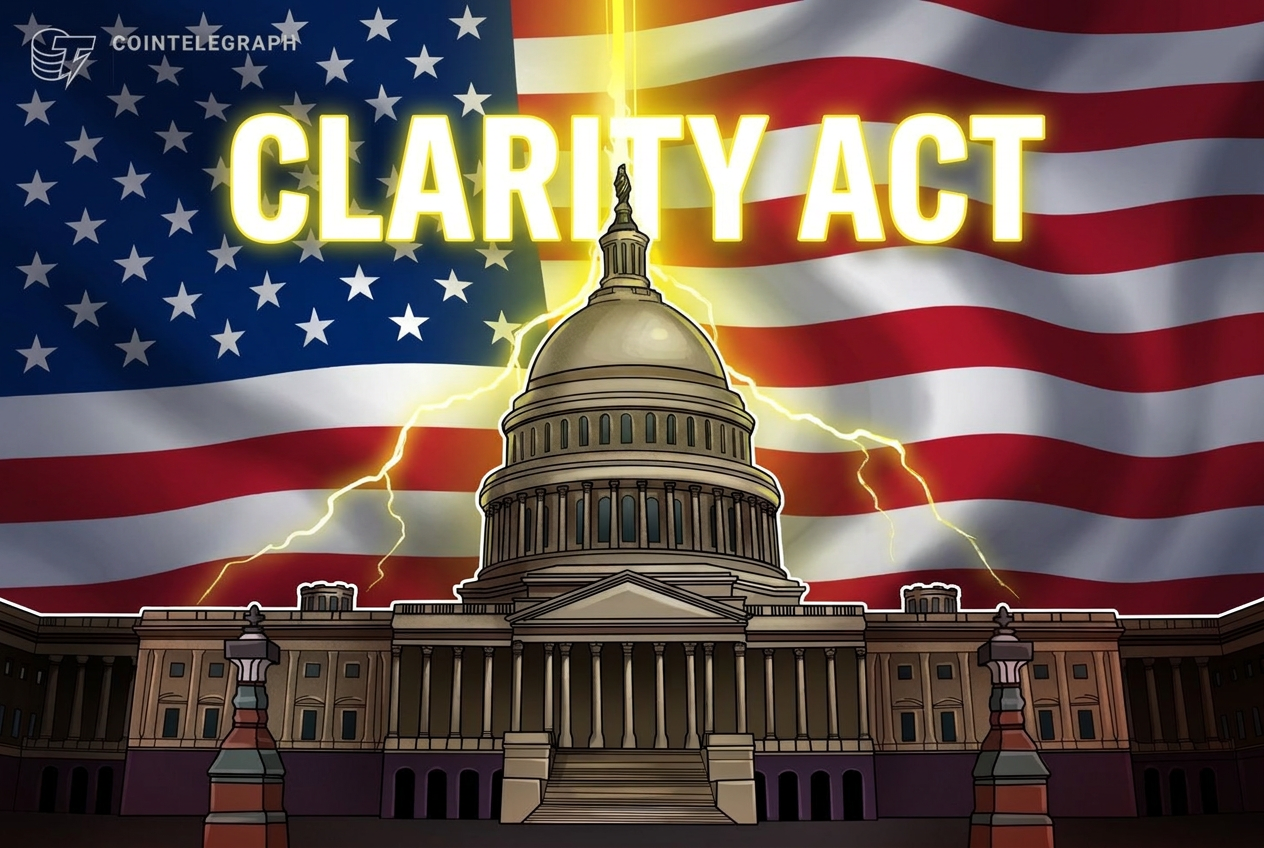
The odds of the CLARITY Act passing Congress have fallen to 16%, primarily due to resistance from key Democratic lawmakers who are opposing a "final" offer presented by Republicans. This legislative push, aimed at regulating stablecoins and related digital assets, has encountered significant headwinds in its final stages. The resistance stems from several core objections raised by various stakeholder groups, including banking organizations and tribal gaming interests, which have voiced serious concerns about the proposed legislation's implications.
Banking groups have specifically pointed out that the GOP's final text for the CLARITY Act allegedly leaves loopholes related to stablecoin rewards. These loopholes, according to industry representatives, could undermine the intended regulatory framework and create unintended consequences for financial institutions involved with stablecoins. The precise nature of these loopholes and the specific reward mechanisms in question have not been fully detailed in public statements, but the concern suggests a potential for regulatory arbitrage or an uneven playing field within the stablecoin market.
Furthermore, tribal gaming interests have issued a stark warning, asserting that the prediction market provisions within the CLARITY Act pose a direct threat to tribal sovereignty. This concern highlights a broader tension between federal regulatory efforts and the autonomy of Native American tribes. The prediction market provisions, which aim to regulate platforms where users can bet on future events, are seen by tribal leaders as encroaching on their inherent rights and governance structures. The specific mechanisms by which these provisions are perceived to threaten sovereignty are complex, but they likely involve issues of jurisdiction, taxation, and the ability of tribes to regulate economic activities within their territories.
The CLARITY Act, as it has progressed through legislative channels, has sought to establish a comprehensive regulatory framework for stablecoins, aiming to ensure their stability, transparency, and integration into the broader financial system. However, the bill's journey has been marked by intense debate and lobbying efforts from various industry players and advocacy groups. The current opposition from key Democrats, coupled with the specific objections from banking and tribal groups, suggests that the path forward for the CLARITY Act is becoming increasingly uncertain, with its chances of enactment significantly diminished.
Original source — read the full reporting at the publisher:
Read on CoinTelegraphGet the weekly AI digest
AI news + new model releases, weekly. Drafted by our agents, reviewed by humans.