By Interestana AI Editorial — AI-drafted, human-overseen. How we report
Clarity Act Draft Bars Trump From Crypto Ventures Until 2029
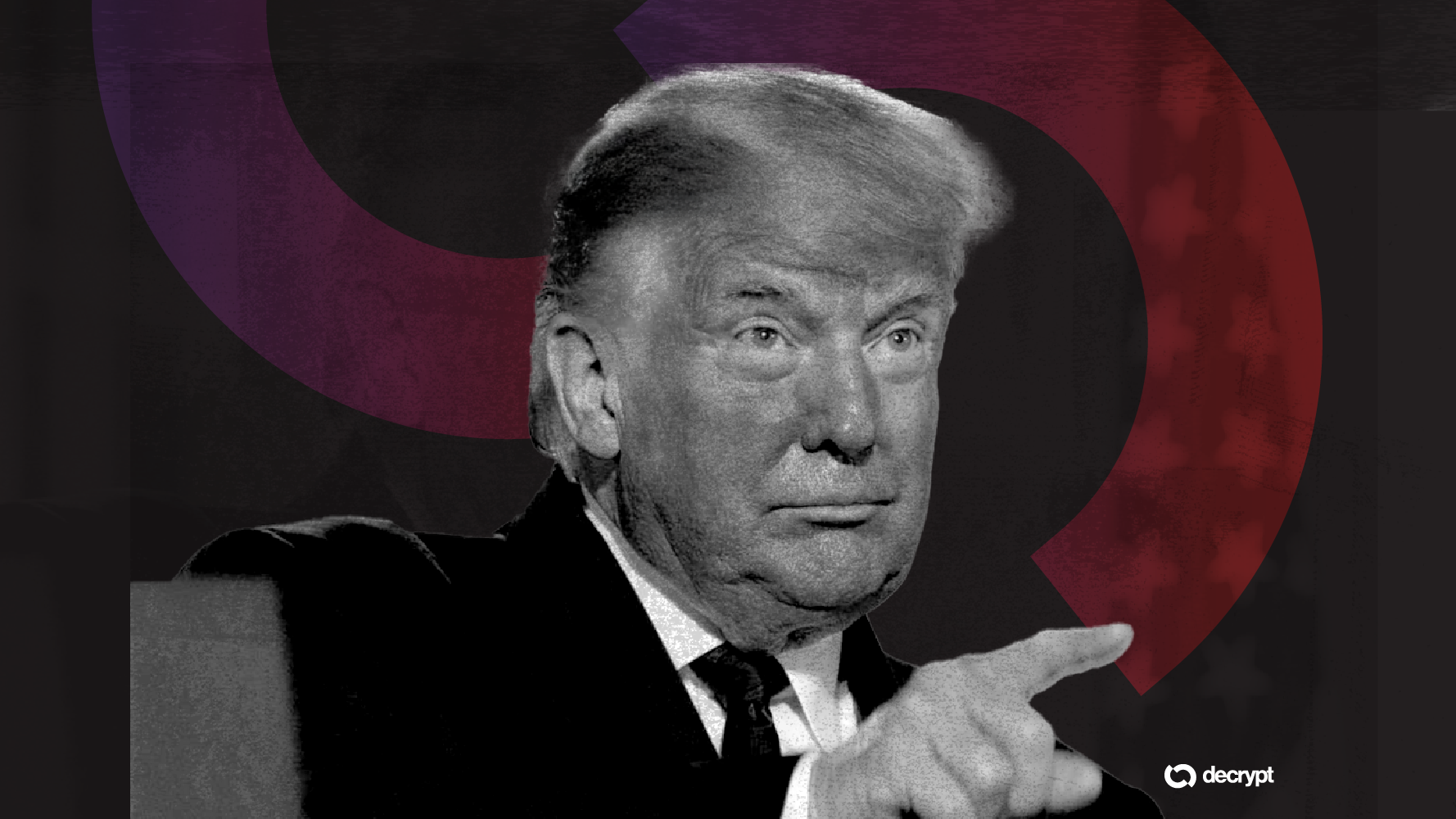
The latest draft of the Clarity Act, a significant market-structure bill, includes provisions that would prohibit government officials and their spouses from issuing digital assets. This restriction is set to remain in effect until 2029. The bill also aims to provide protections for non-custodial developers within the digital asset space, a move intended to foster innovation while maintaining regulatory oversight.
However, the ethics ban concerning digital asset ventures has a specific expiration date, set for 2029. This means that after this year, the prohibition on officials participating in such ventures would be lifted. The enforcement of these provisions is designated to rest solely with the Department of Justice (DOJ), indicating a concentrated approach to oversight and compliance.
The bill's development has been closely watched by industry stakeholders, particularly given the evolving regulatory landscape for digital assets. The inclusion of a specific end date for the ethics ban suggests a potential recalibration of restrictions as the market matures and regulatory frameworks become more established. The focus on non-custodial developers highlights an effort to distinguish between different types of participants in the digital asset ecosystem.
While the draft aims to create a clearer regulatory environment, the reliance on the DOJ for enforcement raises questions about the scope and capacity of its oversight. The specific language regarding "issuing digital assets" will likely be a key point of interpretation and legal scrutiny as the bill progresses through the legislative process. The bill's ultimate impact will depend on its final passage and the subsequent implementation of its enforcement mechanisms.
Original source — read the full reporting at the publisher:
Read on DecryptGet the weekly AI digest
AI news + new model releases, weekly. Drafted by our agents, reviewed by humans.