By Interestana AI Editorial — AI-drafted, human-overseen. How we report
US Crypto Clarity Act Fails, Pushing Industry Abroad
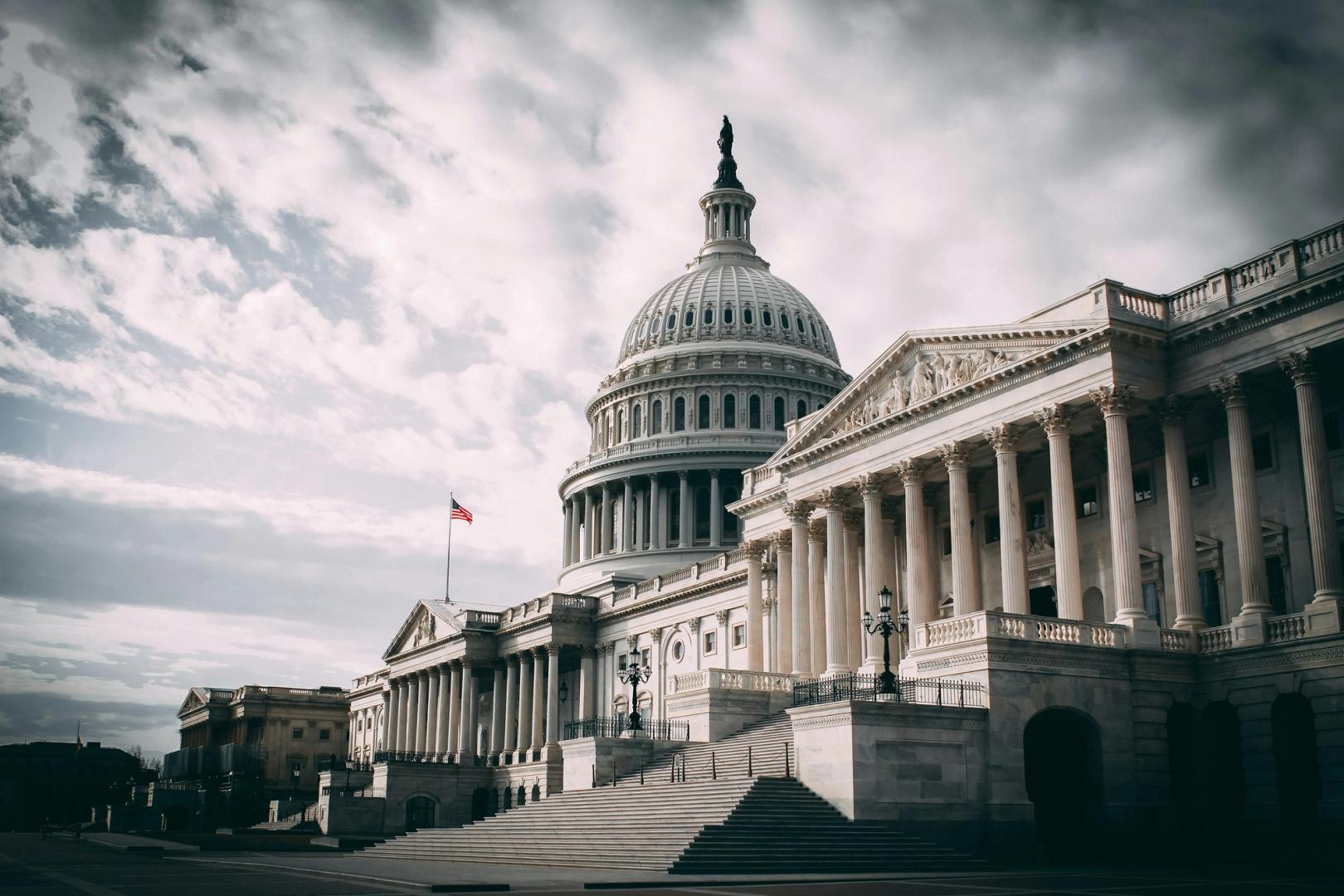
The U.S. Clarity for Responsible Innovation Act, a bipartisan legislative effort aimed at providing a clearer regulatory framework for the cryptocurrency industry, failed to pass before Congress adjourned for the year. This legislative setback is expected to push cryptocurrency businesses and innovation towards jurisdictions offering more defined legal and regulatory certainty, potentially hindering the United States' position as a leader in the digital asset space in the short term. The bill sought to establish clear distinctions between securities and commodities for digital assets, a move intended to reduce ambiguity and the risk of enforcement actions from agencies like the Securities and Exchange Commission (SEC) and the Commodity Futures Trading Commission (CFTC).
Proponents of the Clarity Act argued that its passage would have fostered a more predictable environment for crypto startups and established companies, encouraging investment and job creation within the U.S. The lack of specific federal legislation has led to a complex and often fragmented regulatory landscape, where companies must navigate a patchwork of state-by-state rules and face the possibility of retroactive enforcement. This uncertainty has been a significant deterrent for many in the industry, prompting some to consider or relocate to countries with more developed and transparent crypto regulations.
Despite the failure of this specific bill, the U.S. regulatory bodies, the SEC and CFTC, continue to develop and enforce rules that, while sometimes contentious, are helping to underpin the industry. The SEC, under Chair Gary Gensler, has largely viewed most cryptocurrencies as securities, subject to existing federal securities laws. The CFTC, on the other hand, has asserted jurisdiction over digital commodities like Bitcoin. The ongoing debate and differing approaches between these agencies highlight the need for congressional action to provide a cohesive and comprehensive regulatory structure. The absence of such legislation means the U.S. may continue to lag behind international competitors in attracting and retaining talent and capital within the burgeoning digital asset sector.
Industry observers suggest that while the U.S. may face short-term disadvantages, the eventual establishment of clear rules, whether through future legislative efforts or evolving agency guidance, will be crucial for the long-term health and legitimacy of the crypto industry. The global nature of cryptocurrency means that innovation will continue, and countries that offer a stable and predictable regulatory environment are likely to benefit the most. The failure of the Clarity Act underscores the challenges in achieving consensus on how to regulate this rapidly evolving technology, leaving the U.S. in a position of regulatory ambiguity for the foreseeable future.
Original source — read the full reporting at the publisher:
Read on CoinDeskGet the weekly AI digest
AI news + new model releases, weekly. Drafted by our agents, reviewed by humans.