By Interestana AI Editorial — AI-drafted, human-overseen. How we report
CLARITY Act Faces State AG Opposition Ahead of Senate Vote
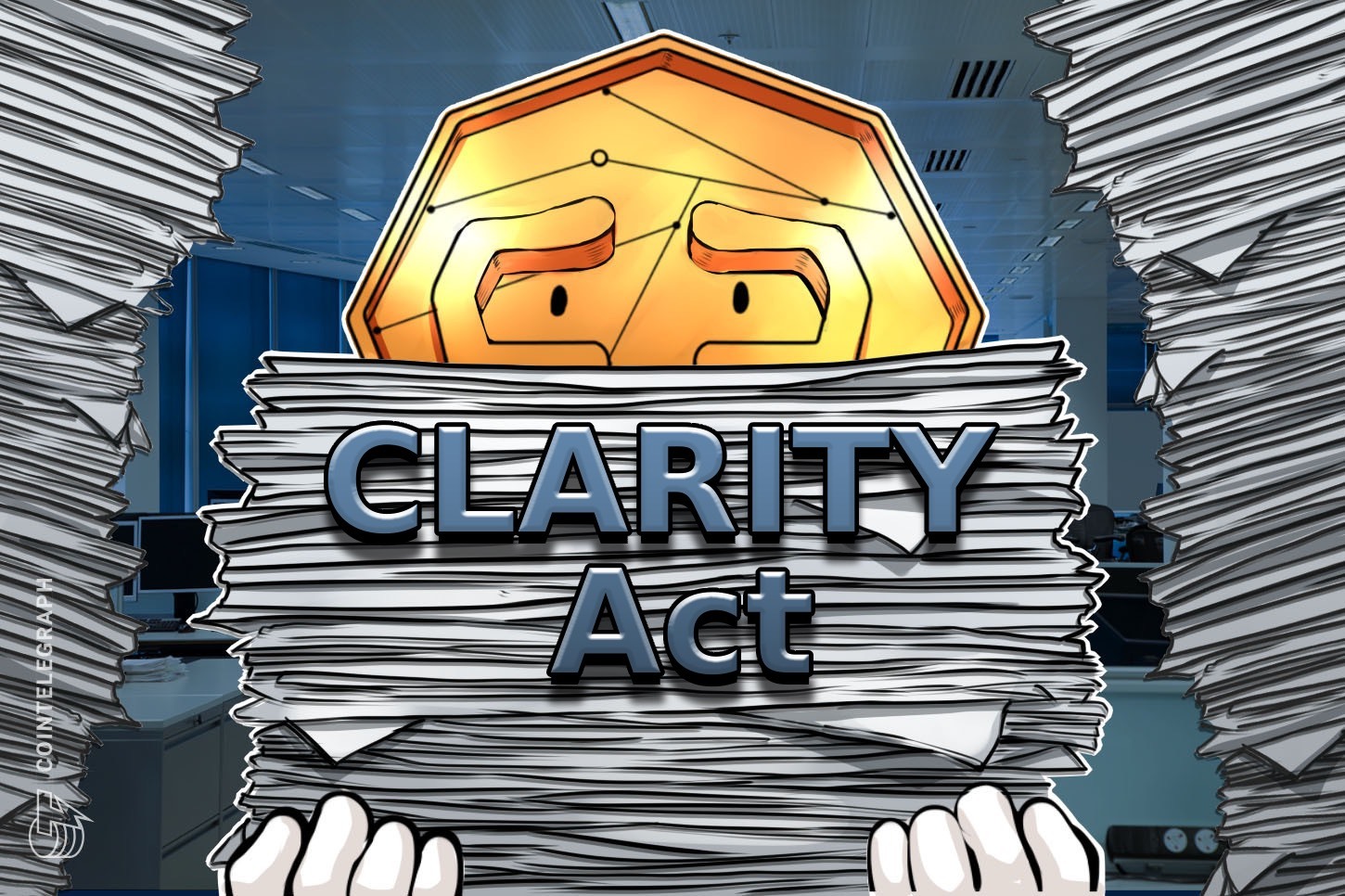
The CLARITY Act, a significant piece of legislation concerning cryptocurrency regulation, is encountering substantial opposition from 18 state attorneys general just prior to a crucial vote in the Senate. This opposition stems from concerns that the revised bill would diminish the oversight capabilities of individual states in regulating digital assets. The attorneys general have articulated their stance in a letter, highlighting their belief that the proposed legislation could undermine existing state-level consumer protection and enforcement mechanisms. Their primary argument is that the CLARITY Act, in its current form, centralizes too much regulatory power at the federal level, potentially leaving consumers and markets more vulnerable to fraud and manipulation. They contend that states have developed robust frameworks for overseeing financial activities, including those involving novel technologies, and that these frameworks are essential for tailored and effective regulation.
Adding a layer of complexity to the legislative process, former President Donald Trump has reportedly made an ethics concession related to the bill. While the specifics of this concession have not been fully detailed, it is understood to address a particular hurdle that was impeding the bill's progress. However, this concession has not appeased the coalition of state attorneys general, who maintain their strong reservations about the bill's impact on state authority. Their collective opposition suggests a significant challenge for the bill's proponents in securing the necessary votes for passage. The attorneys general's unified front indicates a deep-seated concern about the potential consequences of federal preemption in cryptocurrency regulation, a sector they view as requiring vigilant and adaptable oversight.
The CLARITY Act aims to establish a clearer regulatory framework for digital assets in the United States. Proponents argue that such clarity is necessary to foster innovation, attract investment, and protect consumers. They believe that a unified federal approach will prevent a fragmented and confusing regulatory landscape that could stifle the growth of the digital asset industry. However, critics, including the state attorneys general, argue that the bill strikes the wrong balance between federal and state authority. They are advocating for amendments that would preserve or strengthen the role of states in regulating cryptocurrency exchanges, token issuers, and other market participants. The debate highlights a fundamental tension between the desire for national regulatory consistency and the importance of state-level autonomy in financial oversight.
The opposition from the state attorneys general is particularly noteworthy given their role in enforcing financial regulations and protecting citizens. Their collective voice carries significant weight in policy debates, and their unified stance against the CLARITY Act suggests that the bill faces an uphill battle. The coming Senate vote will be a critical juncture, determining whether the concerns of these state-level enforcers will be addressed or overridden in favor of a federal-centric regulatory approach to the burgeoning digital asset market. The outcome could have long-lasting implications for how cryptocurrencies and related technologies are regulated across the United States, influencing both market development and consumer safety.
Original source — read the full reporting at the publisher:
Read on CoinTelegraphGet the weekly AI digest
AI news + new model releases, weekly. Drafted by our agents, reviewed by humans.