By Interestana AI Editorial — AI-drafted, human-overseen. How we report
Cities Terminate Flock Safety Contracts At Record Pace
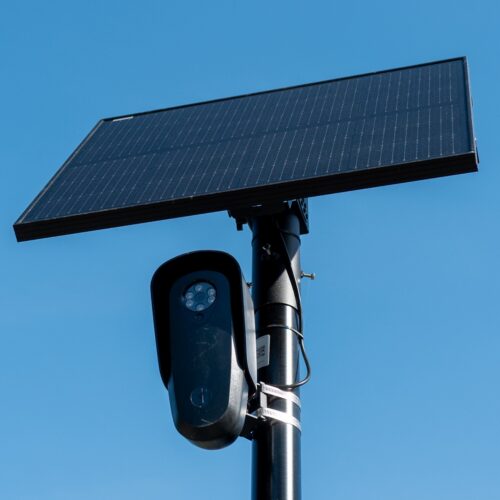
American cities are terminating contracts with Flock Safety, a company that provides automated license plate readers (ALPR) and other surveillance technology, at an accelerating rate. Data compiled by Secure Justice, an Oakland-based advocacy group focused on anti-surveillance efforts, indicates that a significant number of communities have ended their relationships with Flock Safety. Since 2021, a total of 214 cities and counties have dropped Flock. The month of August 2026 saw a dramatic surge in these terminations, with 90 localities ending their contracts with the company during that single month. This figure represents a fourfold increase compared to the number of cities that terminated contracts in the preceding month, highlighting a rapidly growing trend of municipalities severing ties with Flock Safety.
The reasons cited for these contract terminations are multifaceted and primarily revolve around concerns related to surveillance, data privacy, and the potential for misuse of the technology. Residents and local officials have expressed apprehension regarding "out-of-control surveillance," suggesting that the widespread deployment of Flock's cameras and data collection capabilities may be exceeding acceptable privacy boundaries. Furthermore, concerns about "unwanted data sharing" have been raised, indicating a lack of transparency or control over how the collected data is accessed, stored, and potentially shared with third parties. High expenses associated with Flock's services have also contributed to the decision-making process for many municipalities, suggesting that the cost-benefit analysis is no longer favorable for these communities.
Another significant factor contributing to the contract terminations is the "reports of police abusing the tool." This suggests that law enforcement agencies, in some instances, may have overstepped their authority or utilized the surveillance data in ways that were not intended or approved, leading to public distrust and a desire to disengage from the technology. The accelerating pace of contract terminations, particularly the substantial increase observed in August 2026, underscores a growing public and governmental unease with the pervasive nature of private surveillance technology and its implications for civil liberties. Secure Justice's ongoing monitoring of these trends provides critical data for understanding the evolving landscape of public safety technology and community concerns surrounding its implementation and oversight. The widespread nature of these decisions, spanning from Lansing, Michigan, to Pflugerville, Texas, indicates that these concerns are not isolated to specific regions but represent a broader national sentiment.
Flock Safety, headquartered in Scottsdale, Arizona, offers a network of solar-powered, wireless cameras that capture license plates and provide video footage, which it markets to law enforcement agencies and homeowners' associations for crime prevention and investigation. The company's business model relies on providing these tools to local governments and private entities, promising enhanced public safety. However, the increasing number of contract terminations suggests a growing disconnect between Flock's value proposition and the evolving priorities and concerns of the communities it serves. The data from Secure Justice serves as a critical indicator of public sentiment and the challenges faced by companies in the private surveillance sector as they navigate complex privacy debates and regulatory scrutiny. The trend observed in August 2026 is particularly noteworthy, signaling a potential turning point in the adoption and acceptance of such technologies by local governments.
Original source — read the full reporting at the publisher:
Read on Ars TechnicaGet the weekly AI digest
AI news + new model releases, weekly. Drafted by our agents, reviewed by humans.