By Interestana AI Editorial — AI-drafted, human-overseen. How we report
Circle and Tether Freeze Hacker Wallet After Bitget Heist
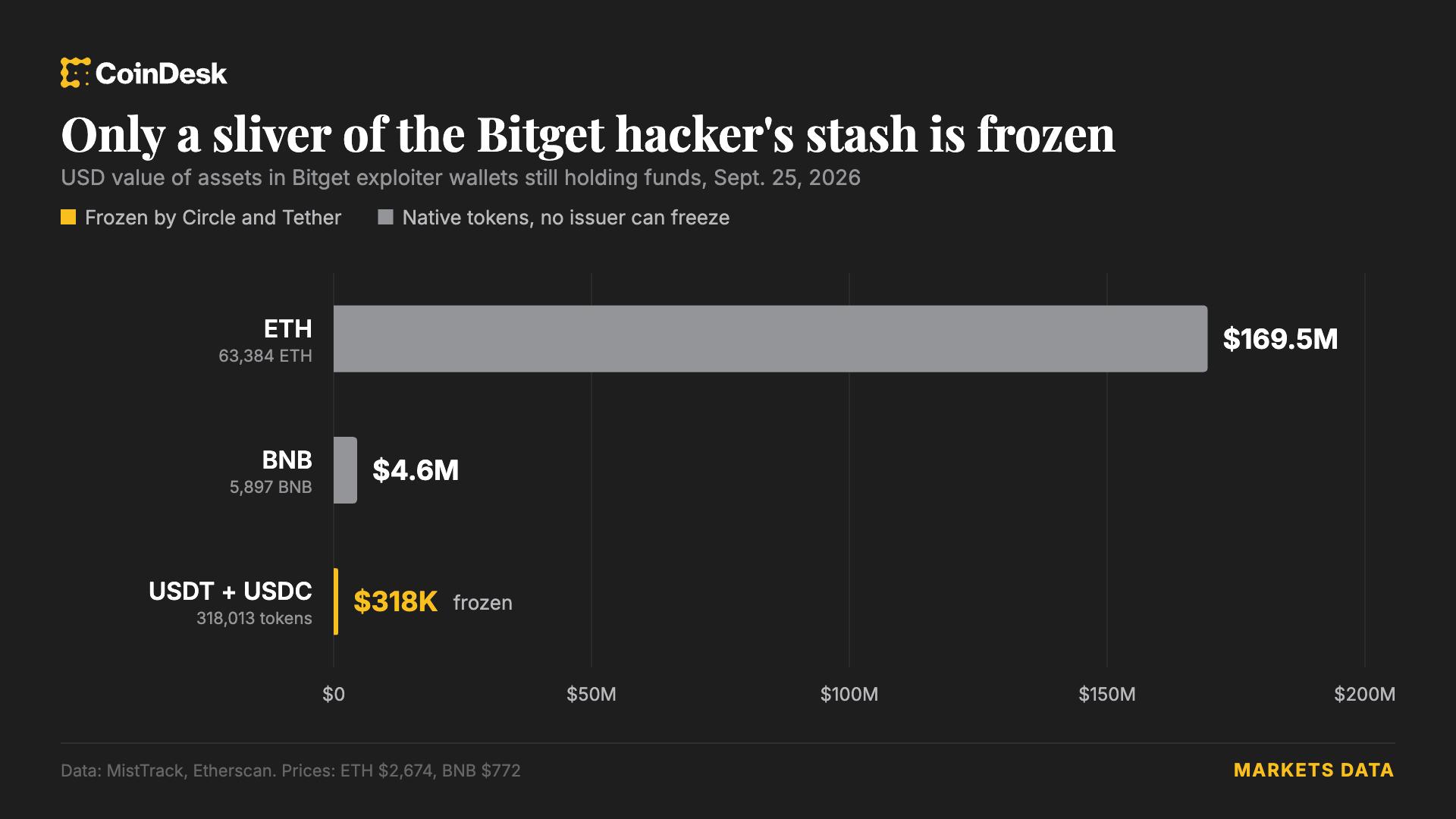
Circle, the issuer of the USD Coin (USDC) stablecoin, and Tether, which issues the USDT stablecoin, have taken action to freeze a cryptocurrency wallet linked to a recent large-scale theft from the Bitget exchange. The wallet in question was found to be holding approximately $318,000 worth of USDT and USDC. This move by the stablecoin issuers aims to prevent the hacker from accessing or moving these specific funds.
The cryptocurrency heist targeted the Bitget exchange, a platform that facilitates the trading of various digital assets. While the exact amount stolen has not been fully disclosed, reports indicate that a significant portion of the illicitly obtained funds is held in ether (ETH). Unlike stablecoins like USDT and USDC, which are pegged to the US dollar and can be controlled by their issuers through blacklisting mechanisms, ether is a decentralized cryptocurrency. This means that once ether is in a hacker's wallet, it is significantly more challenging, if not impossible, for any single entity to freeze or recover.
The intervention by Circle and Tether highlights the ongoing efforts by centralized entities within the cryptocurrency ecosystem to combat illicit activities. By blacklisting the wallet, Circle and Tether are effectively preventing the hacker from cashing out the stablecoin portion of their stolen assets through legitimate channels. This action is a critical step in the investigative process and aims to mitigate the financial damage caused by the hack. The ability of stablecoin issuers to freeze assets is a double-edged sword, offering a mechanism for recourse in cases of theft but also raising concerns about censorship and control within decentralized systems.
This incident underscores the persistent security challenges faced by cryptocurrency exchanges and the importance of robust security measures to protect user funds. While the stablecoin issuers have successfully frozen a portion of the stolen assets, the majority of the funds, held in ether, remain at risk of being laundered or converted into other untraceable assets. The cryptocurrency community continues to grapple with the balance between decentralization and the need for security and accountability in the face of sophisticated cyber threats. The recovery of the ether portion of the stolen funds will likely depend on further investigative work and potential collaboration with law enforcement agencies.
Original source — read the full reporting at the publisher:
Read on CoinDeskGet the weekly AI digest
AI news + new model releases, weekly. Drafted by our agents, reviewed by humans.