By Interestana AI Editorial — AI-drafted, human-overseen. How we report
BBC Airs Choral Evensong for 100 Years
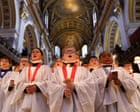
Choral evensong has been broadcast by the BBC for 100 years, marking a significant centenary for this enduring art form. The first live service aired on October 7, 1926, from Westminster Abbey, during the BBC's early years. A century later, choral evensong continues to be a weekly fixture on BBC Radio 3, originating from cathedrals, churches, chapels, and abbeys across the United Kingdom. This program represents the BBC's longest-running outside broadcast and reaches hundreds of thousands of listeners each week, underscoring its sustained popularity and cultural relevance.
Jonathan Davies, a Member of Parliament and former chorister, has lauded choral evensong as a beautiful and empowering collective experience that warrants praise and protection. He highlights the unique sonic landscape of Britain, which includes the peal of church bells, the sound of brass bands on village greens, and the roar of football crowds. Within this context, the extraordinary sound of a choir singing evensong, particularly when heard from a cathedral at the close of day, is presented as a quintessential British auditory experience. The continued broadcast of evensong signifies its deep integration into the nation's cultural fabric and its ability to resonate with a broad audience across generations.
The longevity of choral evensong on the BBC's airwaves speaks to its consistent appeal and the enduring nature of choral music. The broadcast format allows listeners to connect with sacred music and traditional services, even if they cannot attend in person. This accessibility has likely contributed to its widespread reach and the cultivation of a dedicated listenership. The program's consistent presence on Radio 3, a station dedicated to classical and artistic programming, further solidifies its position as a respected and valued cultural offering. The BBC's commitment to broadcasting evensong for a century demonstrates a dedication to preserving and promoting this specific genre of music and worship, ensuring its continued visibility and appreciation within the contemporary media landscape. The initiative to broadcast from various sacred locations across the country also provides a diverse auditory experience, showcasing different choral traditions and architectural acoustics, thereby enriching the listening experience for the audience.
Original source — read the full reporting at the publisher:
Read on The Guardian CultureGet the weekly AI digest
AI news + new model releases, weekly. Drafted by our agents, reviewed by humans.