By Interestana AI Editorial — AI-drafted, human-overseen. How we report
Chip Stocks Plummet Amidst AI Market Uncertainty
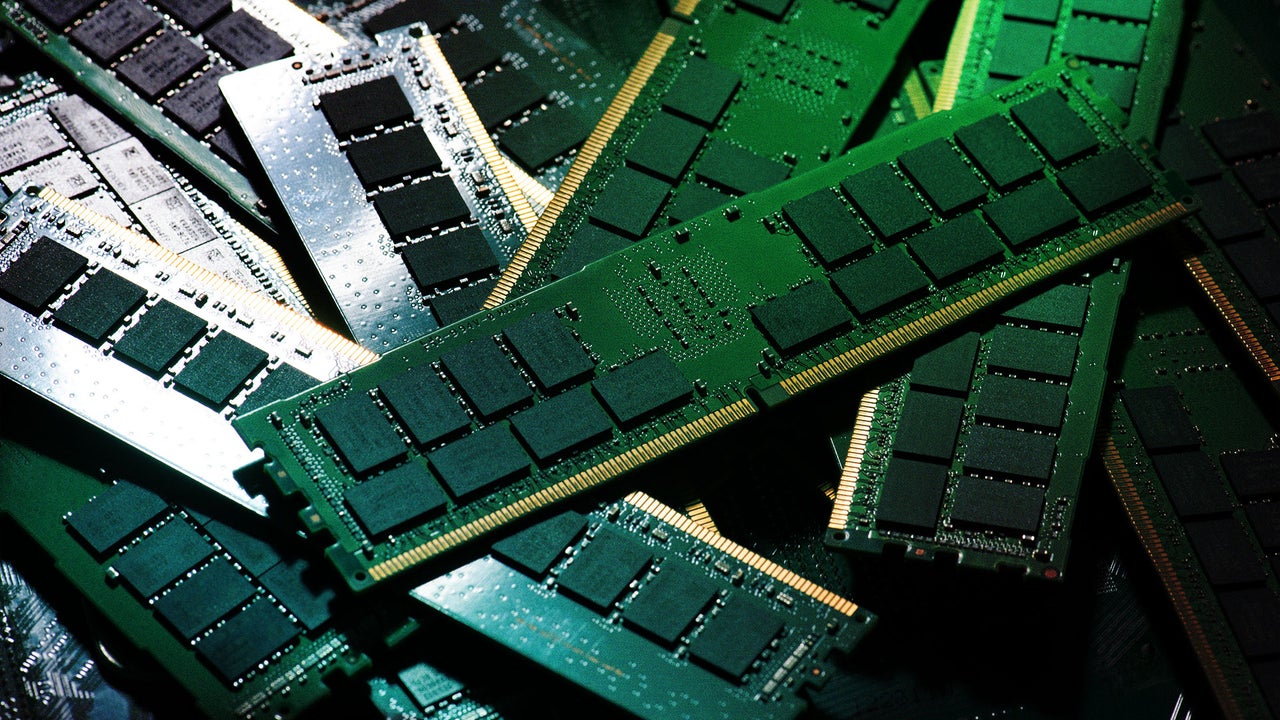
Major U.S. chip and memory companies, including Micron Technology, Inc., Sandisk Corporation, and Intel Corporation, saw their shares fall sharply in premarket trading on a recent morning, mirroring significant declines experienced by their Asian counterparts. This downturn signals a broader market apprehension impacting the semiconductor industry, particularly concerning the future trajectory of artificial intelligence (AI) investments and hardware demand. The ripple effect began in Asian markets, where memory giant SK Hynix Inc. experienced a stock price drop exceeding 14.6%, and competitor Samsung Electronics Co., Ltd. saw its shares decrease by over 13.3%. Further exacerbating the trend, Japanese flash memory maker Kioxia Holdings witnessed a decline of more than 18%. These substantial losses in Asia appear to have unsettled investors in Western markets, leading to significant premarket drops for U.S.-traded chipmakers. Micron Technology, Inc. (Nasdaq: MU) was down 5.6%, Sandisk Corporation (Nasdaq: SNDK) fell 5%, Western Digital Corporation (Nasdaq: WDC) dropped 5%, and Seagate Technology Holdings plc (Nasdaq: STX) declined 4%. The broader market sentiment was also affected, with Nasdaq Futures showing a decrease of nearly nine-tenths of a percent before the opening bell. The primary driver behind this widespread decline in chipmaker stock prices is attributed to growing uncertainty within the AI sector. For several years, the AI boom has been a significant catalyst for the valuation of companies involved in AI development, such as Anthropic and OpenAI, as well as those supplying the essential hardware for the massive data centers required to power these advanced models. Nvidia Corporation (Nasdaq: NVDA), a key provider of the powerful Graphics Processing Units (GPUs) critical for AI computations, has been a prime example of a hardware company that has greatly benefited from this AI-driven growth over the past five years. However, current market sentiment suggests investors are reassessing the sustainability and future growth prospects of AI-related hardware, leading to a broad-based sell-off across the semiconductor industry. This uncertainty may stem from various factors, including evolving AI development roadmaps, potential shifts in demand for specific hardware components, or broader macroeconomic concerns that are causing investors to become more risk-averse regarding high-growth technology sectors. The interconnectedness of the global semiconductor supply chain means that downturns in one major market often have a pronounced effect on others, as demonstrated by the Asian market's influence on U.S. trading. The current situation highlights the sensitivity of the chip industry to the dynamic and often unpredictable landscape of technological innovation and market adoption, particularly in the rapidly evolving field of artificial intelligence.
Original source — read the full reporting at the publisher:
Read on Fast CompanyGet the weekly AI digest
AI news + new model releases, weekly. Drafted by our agents, reviewed by humans.