By Interestana AI Editorial — AI-drafted, human-overseen. How we report
China Orders Tesla to Recall 2.98 Million Cars
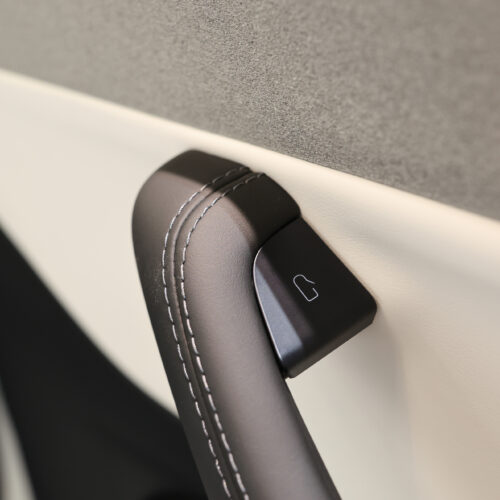
Chinese regulators have mandated a significant recall affecting 2.98 million Tesla Model 3 and Model Y electric vehicles sold in China. The directive requires Tesla to implement a fix that clarifies how to open rear doors during emergencies when the vehicle loses power. This action stems from a heightened regulatory focus on vehicle safety, particularly concerning electronically controlled doors, following a series of fatal incidents where occupants were trapped in burning vehicles. The new regulations, set to take effect next year, will specify handle dimensions for all newly approved vehicles. However, existing models like the Model 3 and Model Y are grandfathered in until the end of 2028. Despite this, Chinese authorities are pushing for immediate action on the millions of these vehicles already in circulation. Tesla is required to add warning labels to the car interiors, a process that necessitates physical access to each vehicle. In addition to the physical labels, Tesla will also deploy a software update designed to automatically lower all windows in the event of a collision, further enhancing occupant safety during emergencies. This recall represents a substantial logistical and operational challenge for Tesla in one of its key global markets. The company must ensure compliance with the stringent new safety standards imposed by Chinese authorities, which are increasingly prioritizing occupant protection in automotive design and functionality. The move underscores a broader trend of intensified scrutiny on automotive safety features by governments worldwide, particularly as vehicle technology evolves with more complex electronic systems. The recall specifically addresses the potential for occupants to be unable to exit the vehicle in critical situations, a risk amplified by the increasing prevalence of power-dependent door mechanisms. The addition of warning labels aims to provide immediate visual guidance to drivers and passengers on how to manually override the electronic systems in a power failure scenario. The software update is intended as a supplementary safety measure, designed to facilitate escape by ensuring windows can be opened even if the primary electronic systems are compromised. This comprehensive approach by Chinese regulators highlights their commitment to addressing emerging safety concerns proactively, even for vehicles that were previously compliant with existing standards. Tesla's response will be closely watched as it navigates the complexities of implementing these mandated safety improvements across its extensive vehicle fleet in China.
Original source — read the full reporting at the publisher:
Read on Ars TechnicaGet the weekly AI digest
AI news + new model releases, weekly. Drafted by our agents, reviewed by humans.