By Interestana AI Editorial — AI-drafted, human-overseen. How we report
China's Solar Industry Faces Deep Losses Amidst Oversupply, Yet Continues Aggressive Expansion
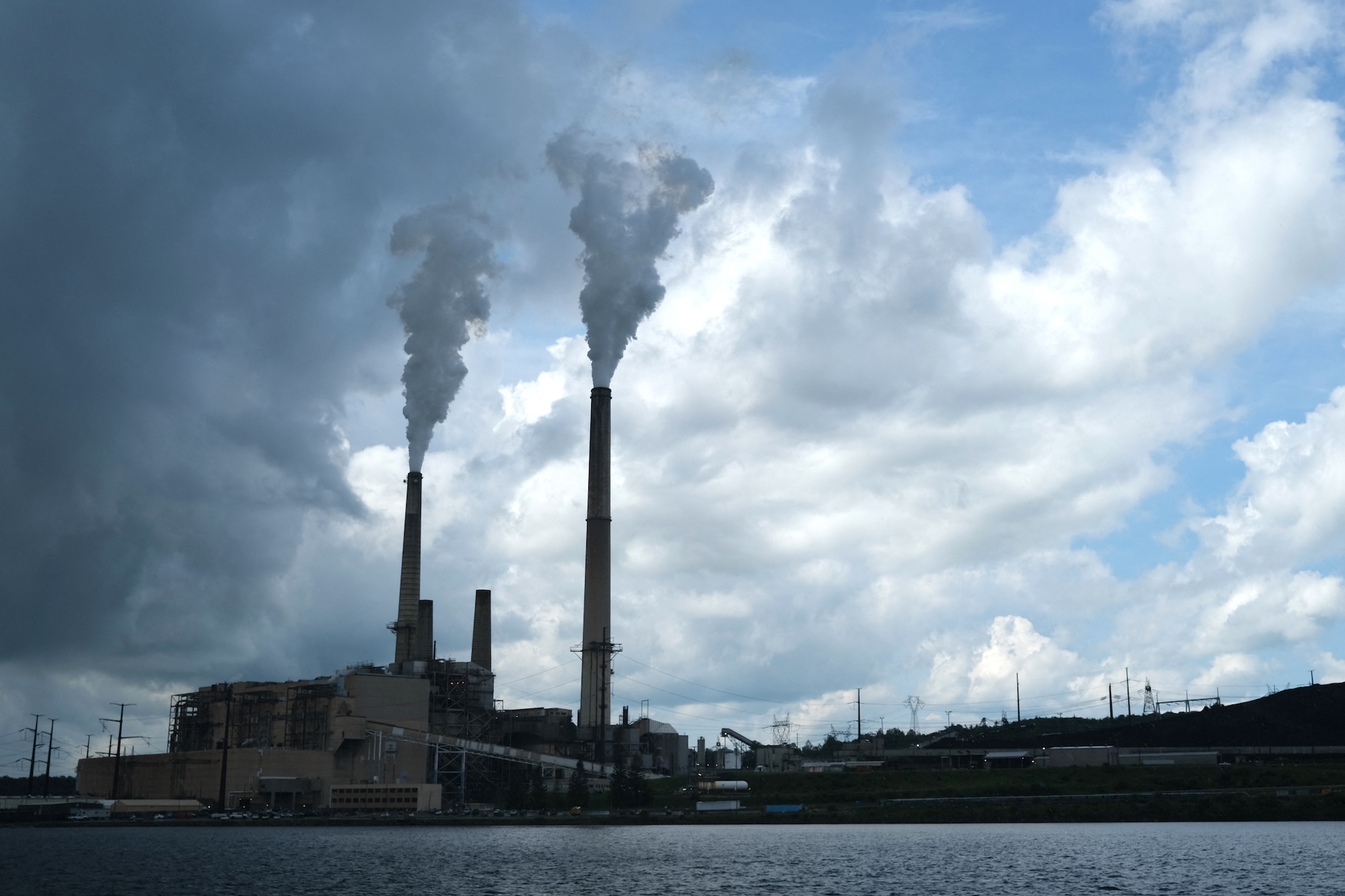
China's solar manufacturing industry, a cornerstone of global decarbonization efforts, is currently grappling with a paradoxical situation of substantial financial losses stemming from severe oversupply and ensuing price wars. The nation has cultivated manufacturing capacity that significantly outstrips current global demand, possessing enough factories to fulfill approximately twice the world's annual need for solar products. This overcapacity is projected to worsen; if all newly announced factories are brought online, China's production capability could potentially double again, further widening the chasm between supply and demand. This acute market imbalance has plunged Chinese solar panel makers into a precarious financial position. Market analysts and industry executives point to a vicious cycle of internal competition, characterized by "price wars" where companies aggressively slash prices to unsustainable levels, leading to a dramatic decline in panel costs. This trend has resulted in significant financial distress, with Chinese solar manufacturers reporting a collective loss of $1.5 billion in the first quarter of 2026. This figure represents an extension of roughly three years of continuous unprofitability for the sector. Prominent industry leaders, including JinkoSolar and Longi, are not only contending with these internal market pressures but also facing headwinds from slowing domestic solar installations, trade barriers erected by the United States, and a general weakening of global demand for solar products. Hannah Pitt, director of the energy and climate practice at the Rhodium Group, a prominent research firm, has highlighted the severity of these internal price wars, noting that "companies just slashing prices to very, very low levels." Chinese central government officials have, over several years, attempted to curb this cutthroat competition, manage overproduction, and stabilize pricing. However, these interventions have yielded limited success, with prices for most solar products, excluding highly advanced ones, continuing their downward trajectory while companies persist in building new manufacturing facilities. A key factor contributing to this persistent expansion is the significant investment made by regional governments in bolstering solar supply chains. These local authorities have demonstrated a reluctance to curtail development, even in the face of industry-wide losses. This has, in some instances, led to manufacturers resorting to building factories illegally or producing panels without the necessary permits, as reported by the South China Morning Post. The situation underscores a complex dynamic involving market forces, national industrial policy aimed at securing global dominance in green technologies, and regional economic interests tied to manufacturing employment and investment, where the drive for continued expansion supersedes immediate financial returns.
Original source — read the full reporting at the publisher:
Read on GristGet the weekly AI digest
AI news + new model releases, weekly. Drafted by our agents, reviewed by humans.