By Interestana AI Editorial — AI-drafted, human-overseen. How we report
China Faces Disinformation Amid Natural Disasters
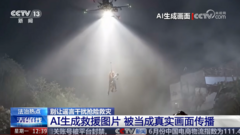
China is facing a growing challenge from the proliferation of fake AI-generated videos on social media platforms, particularly during periods of natural disasters. Recent months have seen a significant increase in such manipulated content, coinciding with severe weather events including storms and widespread flooding across various regions of the country. This influx of disinformation is not only distorting public perception of the unfolding crises but also potentially hindering effective disaster response and relief operations. The ease with which these synthetic media can be created and disseminated poses a substantial threat to public trust and the ability of authorities to communicate accurate information to affected populations.
The sophisticated nature of modern AI tools allows for the creation of highly convincing video fabrications, making it increasingly difficult for the average social media user to distinguish between authentic footage and deepfakes. This phenomenon exacerbates the already complex logistical and communication challenges inherent in managing large-scale natural disasters. Official channels for disseminating information are often drowned out or undermined by the viral spread of false narratives, which can include fabricated accounts of damage, exaggerated casualty figures, or misleading information about rescue efforts and aid distribution. The psychological impact on affected communities can be profound, leading to increased anxiety, confusion, and distrust in both media and governmental institutions.
While the specific platforms where these videos are most prevalent and the exact origins of the disinformation campaigns remain under investigation, the trend highlights a broader global concern regarding the weaponization of AI-generated content. Chinese authorities are reportedly exploring measures to combat this rising tide of misinformation, though the technical and societal challenges are immense. Strategies may involve enhanced content moderation, public awareness campaigns to educate citizens on media literacy, and the development of AI-powered tools to detect synthetic media. However, the cat-and-mouse game between AI content creators and detection systems suggests that this will be an ongoing battle. The long-term implications for social stability and national security are significant, as the erosion of shared reality through pervasive disinformation can have far-reaching consequences. The situation in China underscores the urgent need for robust regulatory frameworks and technological solutions to mitigate the risks associated with advanced AI-driven disinformation campaigns, especially in critical moments of national crisis.
Original source — read the full reporting at the publisher:
Read on BBC World NewsGet the weekly AI digest
AI news + new model releases, weekly. Drafted by our agents, reviewed by humans.