By Interestana AI Editorial — AI-drafted, human-overseen. How we report
China Exports Nearing Global Economic Breaking Point
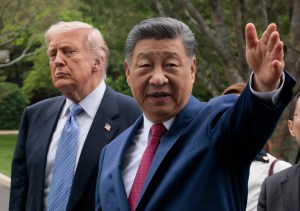
China's export model is approaching a critical juncture, threatening to destabilize the global economy and potentially trigger a crisis, according to Michael Froman, former U.S. Trade Representative and current president of the Council on Foreign Relations. In an analysis published in Foreign Affairs, Froman cautioned that the world's capacity to absorb China's overproduced goods is nearing its limit. This warning comes as China's trade surplus saw a significant expansion, growing by over 20% in early 2026, following a record-breaking $1.2 trillion trade surplus in 2025. This surplus grew at a pace three times faster than global goods trade, highlighting the sheer volume of Chinese exports flooding international markets. The International Monetary Fund estimated global GDP growth at approximately 3.1% for the current year, underscoring the disproportionate growth of China's trade surplus relative to overall economic expansion. The influx of low-cost Chinese products is prompting a global backlash, with countries and economic blocs implementing protective measures. Former President Donald Trump's administration had previously imposed tariffs on Chinese goods, making trade policy a central theme of his administration. More recently, even the European Union, historically a proponent of open markets, is actively establishing trade barriers to counter the surge of Chinese imports. Froman noted that the "political appetite for accepting the deindustrialization and critical dependencies that come with the flood of Chinese imports is finite and shrinking." This sentiment suggests a growing global resistance to the economic consequences of unchecked Chinese exports, which can lead to job losses and the erosion of domestic industries in importing nations. The competitive pricing of Chinese goods is attributed to several factors, including an undervalued currency that allows companies to offer prices up to 30% lower than international rivals. Furthermore, state subsidies and directives from Beijing have fueled overproduction, leading to aggressive price wars. These conditions have resulted in a situation where nearly one-third of Chinese industrial firms are operating at a loss, compelling them to rely heavily on export markets to sustain operations. Froman posits that this export-driven strategy is unsustainable as China's export machine nears a point where it will exhaust its customer base. The consequence of this impending stall is an industrial sector that faces significant challenges in finding markets for its output, potentially leading to widespread economic repercussions within China and globally. The current economic landscape suggests a shift towards increased protectionism as nations seek to safeguard their domestic industries from the pressures of China's overcapacity. The U.S., in particular, may face the challenge of managing the fallout from this global trade imbalance.
Original source — read the full reporting at the publisher:
Read on FortuneGet the weekly AI digest
AI news + new model releases, weekly. Drafted by our agents, reviewed by humans.