China's Deadly Storms Fueled by Multiple Factors
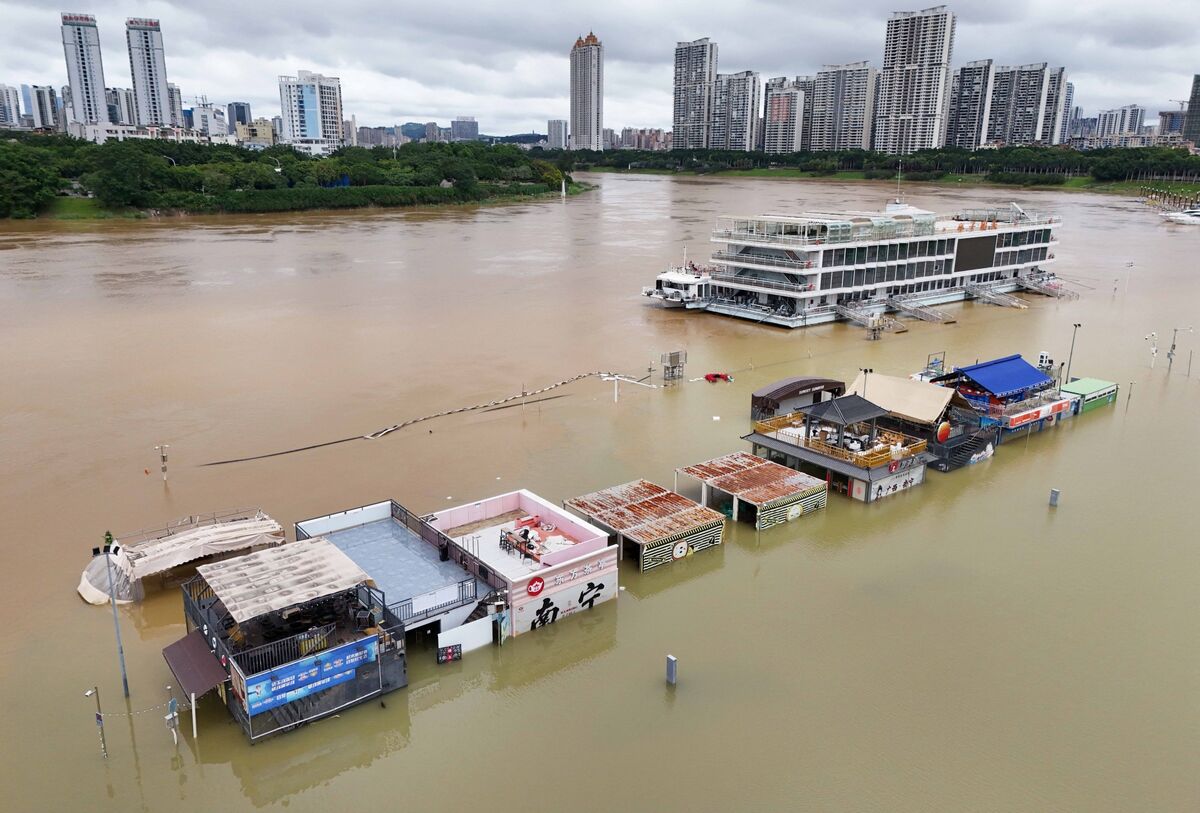
This week’s severe storms that impacted southern and central China were intensified by a confluence of meteorological and environmental factors. This event underscores a broader trend of increasing weather extremes that China, the world's second-largest economy, is increasingly facing. The convergence of these elements created conditions for more destructive rainfall and flooding in affected regions.
The specific factors contributing to the severity of the storms include anomalous atmospheric conditions that trapped moisture and heat, leading to prolonged and intense precipitation. Climate scientists have noted that such events are becoming more frequent and severe globally, with developing nations like China often bearing a disproportionate impact due to geographical vulnerabilities and existing infrastructure challenges. The economic toll from these storms is expected to be significant, with damage to agriculture, infrastructure, and housing.
While the immediate cause is a complex interplay of weather patterns, the underlying trend of climate change is widely cited by researchers as a contributing factor to the increased intensity and frequency of extreme weather events worldwide. These events necessitate a robust response from disaster management agencies and long-term strategies for climate adaptation and mitigation. The government has initiated relief efforts in the hardest-hit areas, focusing on rescue operations and providing essential supplies to displaced populations.
The storms have also brought to the forefront discussions about urban planning and flood resilience in China's rapidly developing cities. Many urban areas are built on floodplains, and the increased intensity of rainfall can overwhelm existing drainage systems, leading to widespread urban flooding. This event serves as a stark reminder of the urgent need for infrastructure upgrades and more sustainable development practices to cope with a changing climate.
Original source — read the full reporting at the publisher:
Read on Bloomberg Markets