By Interestana AI Editorial — AI-drafted, human-overseen. How we report
China Warns of Consequences Over Taiwan at Pacific Islands Forum
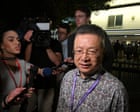
China stated it had serious concerns about Taiwan's participation in the annual Pacific Islands Forum held in Palau, issuing a warning of "consequences" after the self-governing island attended the forum's opening ceremony on Monday, September 1, 2026. This development highlights the ongoing geopolitical tensions between Beijing and Taipei, which have been a prominent feature of the meeting. China considers Taiwan to be its own territory, and its objection underscores the broader diplomatic struggle for influence in the Pacific region. The Pacific Islands Forum is intended to foster regional unity among its member states, making Taiwan's presence a point of contention.
Australia and New Zealand, both members of the forum, have indicated that the forum itself, rather than any single nation, will be the arbiter of who is invited to participate. This stance suggests a commitment to the forum's internal decision-making processes and potentially a pushback against Beijing's assertive diplomatic pressure. The forum, which brings together leaders from across the Pacific, serves as a critical platform for discussing regional issues, including climate change, economic development, and security. Taiwan's participation, even in an observer capacity or through its delegation, represents a significant diplomatic achievement for Taipei and a challenge to Beijing's efforts to isolate the island internationally.
The Pacific Islands Forum, established in 1971, comprises 18 member states and territories: Australia, Cook Islands, Federated States of Micronesia, Fiji, French Polynesia, Kiribati, Marshall Islands, Nauru, New Zealand, Niue, Palau, Papua New Guinea, Samoa, Solomon Islands, Tonga, Tuvalu, and Vanuatu. The forum's agenda typically covers a wide range of issues pertinent to the region's development and security. China has been increasingly active in the Pacific, seeking to expand its economic and strategic influence through initiatives like the Belt and Road Initiative and various security pacts. Taiwan, meanwhile, actively seeks to bolster its international standing and partnerships, particularly with democratic nations in the Indo-Pacific. The diplomatic maneuvering at the Palau meeting reflects the broader competition for influence in a strategically vital part of the world. The specific "consequences" China alluded to were not detailed, but such warnings often involve diplomatic or economic repercussions. The forum's ability to navigate these external pressures while maintaining its internal consensus will be crucial for its future effectiveness.
Original source — read the full reporting at the publisher:
Read on The Guardian WorldGet the weekly AI digest
AI news + new model releases, weekly. Drafted by our agents, reviewed by humans.