China Urges Unimpeded Hormuz Passage Amid Fee Talks
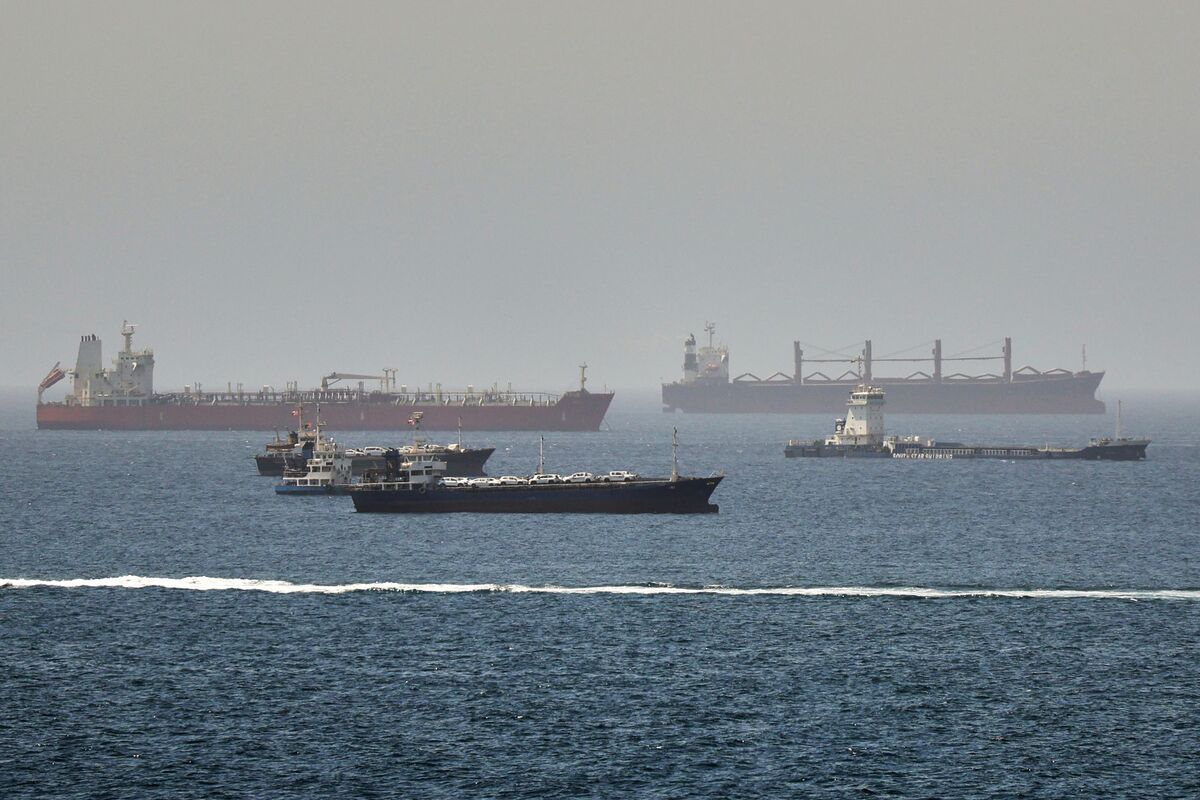
China has called for the unimpeded passage of vessels through the Strait of Hormuz, a critical chokepoint for global oil and gas shipments. This statement comes amid reports that leading European powers are considering the possibility of paying transit fees to Iran and Oman to ensure the safe passage of their ships. The Strait of Hormuz, a narrow waterway connecting the Persian Gulf to the open ocean, is vital for the transportation of a significant portion of the world's oil supply. Any disruption or imposition of fees in this region can have substantial ripple effects on global energy markets and international trade.
The discussions around potential transit fees suggest a shift in how maritime access through the strait might be managed. While the specifics of any agreement remain unclear, the involvement of major European economies indicates a growing recognition of the need for a stable and predictable environment for shipping. This situation highlights the complex geopolitical dynamics at play in the Persian Gulf and the delicate balance required to maintain freedom of navigation while addressing regional concerns and economic considerations.
China's emphasis on "unimpeded passage" underscores its interest in maintaining stable energy supplies and facilitating international commerce. As a major importer of oil, disruptions in the Strait of Hormuz could directly impact China's economic stability and growth. The country's stance reflects a broader concern among many nations that rely on the strait for their energy needs and trade routes. The ongoing dialogue, whether formal or informal, between regional powers and international actors will be crucial in shaping the future of maritime traffic through this strategically important waterway.
Original source — read the full reporting at the publisher:
Read on Bloomberg Markets