By Interestana AI Editorial — AI-drafted, human-overseen. How we report
China's Auto Market Sees EV Surge as Engine-Powered Vehicles Collapse
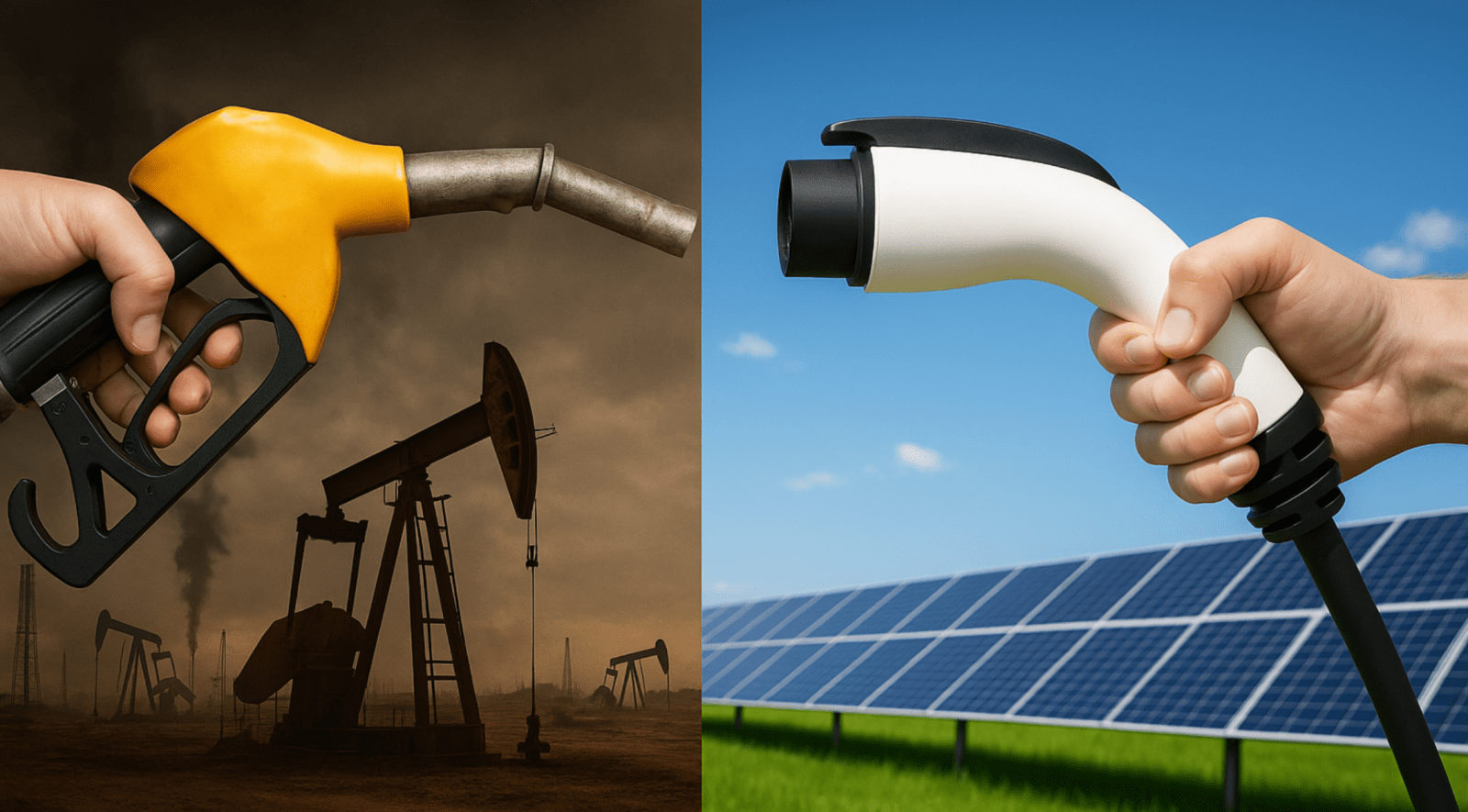
China's automotive market in July showcased a pronounced divergence in sales performance, with pure battery-electric vehicles (EVs) emerging as the sole segment experiencing robust growth. This trend signifies a continuation of the structural collapse observed in sales of vehicles powered by internal combustion engines (ICE), which have been experiencing precipitous declines for months on end. As the world's largest auto market, China's sales figures offer a critical barometer for global automotive trends, and the current data points towards a decisive consumer pivot towards electric mobility.
The July sales data unequivocally indicates that only pure battery-electric cars are achieving positive sales figures. This stands in stark contrast to all other vehicle types, including traditional gasoline-powered cars, hybrid vehicles, and plug-in hybrid electric vehicles (PHEVs). These ICE-reliant segments have collectively witnessed sustained and significant drops in demand. This ongoing collapse in sales for conventional vehicles suggests a fundamental reorientation of consumer choices, likely influenced by a confluence of factors. These include growing environmental awareness among Chinese consumers, substantial government incentives designed to promote EV adoption, and the continuous expansion of charging infrastructure across the nation, making EV ownership increasingly practical and appealing.
While the specific percentage growth figures for July's EV sales were not detailed in the provided information, the report emphasizes the singular strength of this segment within the broader automotive industry. Conversely, every other category of vehicle, defined by its reliance on an internal combustion engine for propulsion, has experienced consistent and significant downturns. This sustained slump in ICE vehicle sales is not a fleeting trend but rather points to a long-term challenge for automotive manufacturers heavily invested in traditional powertrain technologies. Established automakers, particularly those with a legacy of producing gasoline and diesel engines, are facing mounting pressure to adapt their product portfolios and manufacturing capabilities.
The implications of this pronounced market dynamic are substantial for both domestic Chinese automakers and international manufacturers operating within the region. Companies that have proactively prioritized the development, production, and marketing of EVs, such as BYD, Nio, and XPeng, are poised to benefit significantly from this evolving landscape. Conversely, manufacturers with a strong historical focus on ICE vehicles may face considerable challenges in adapting to the rapidly changing market demands and consumer preferences. The continued dominance of EVs in China's sales figures signals a potential blueprint for other global automotive markets as they navigate the complex transition towards electrification. The sustained decline in non-EV sales highlights the urgent necessity for established automakers worldwide to accelerate their electrification strategies to remain competitive and relevant in the coming years.
Original source — read the full reporting at the publisher:
Read on ElectrekGet the weekly AI digest
AI news + new model releases, weekly. Drafted by our agents, reviewed by humans.