By Interestana AI Editorial — AI-drafted, human-overseen. How we report
China Surpasses Coal With Solar for Electricity Generation
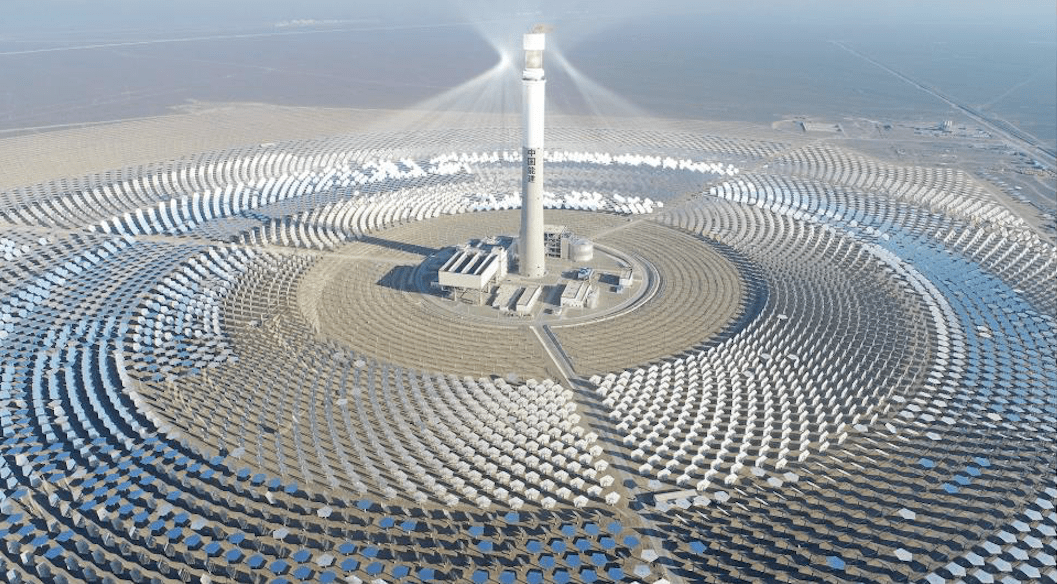
China has surpassed coal power with solar power in terms of installed electricity generation capacity, marking a significant milestone for the world's largest electricity market. This transition is particularly timely, occurring as China experiences a substantial boom in electric vehicle (EV) sales, global energy prices remain elevated, and the impacts of climate change continue to intensify worldwide. The shift underscores China's commitment to renewable energy sources as it seeks to meet its growing energy demands and environmental targets.
This development is crucial for China's ambitious goals in decarbonizing its economy and reducing its reliance on fossil fuels. The country has been a leading investor in solar technology, with rapid advancements and cost reductions making solar power increasingly competitive. The installed capacity from solar power now exceeds that of coal-fired power plants, indicating a fundamental change in the nation's energy infrastructure. This expansion of solar capacity is vital for powering the burgeoning electric vehicle sector, which is a key component of China's industrial strategy and its efforts to reduce air pollution in urban centers. The increasing adoption of EVs necessitates a cleaner and more sustainable electricity grid to maximize their environmental benefits.
Furthermore, the timing of this energy transition is significant in the context of global energy market volatility. Recent spikes in global energy prices, driven by geopolitical factors and supply chain disruptions, highlight the strategic advantage of domestically sourced renewable energy. Solar power, being a readily available resource within China, offers greater energy security and price stability compared to imported fossil fuels. This move also aligns with China's international climate commitments, as the country aims to peak its carbon dioxide emissions before 2030 and achieve carbon neutrality before 2060. The expansion of solar capacity is a direct contribution to these long-term environmental objectives, demonstrating a tangible step towards a greener energy future.
The implications of China's energy shift extend beyond its domestic market. As the world's largest manufacturer and consumer of solar panels, China's domestic demand and infrastructure development influence global supply chains and technological innovation in the renewable energy sector. The success of this transition could serve as a model for other nations seeking to accelerate their own clean energy transitions. The continued growth of solar power generation capacity is expected to play an increasingly dominant role in China's overall energy mix, supporting its economic development while mitigating its environmental footprint. This strategic pivot towards renewable energy is a testament to China's evolving energy landscape and its proactive approach to addressing climate change.
Original source — read the full reporting at the publisher:
Read on ElectrekGet the weekly AI digest
AI news + new model releases, weekly. Drafted by our agents, reviewed by humans.