By Interestana AI Editorial — AI-drafted, human-overseen. How we report
China's Green Energy Glut Could Be Solved by AI
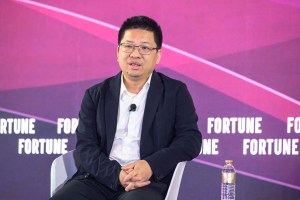
China's energy sector is grappling with an unprecedented surplus of green energy, a situation exacerbated by rapid expansion in renewable capacity. Youyuan Huang, executive vice chairman of BTR New Material Group, highlighted this challenge at the Fortune Leaders Forum in Macau on September 8, stating that while China's grid is robust, the nation has installed "too much green energy." Projections from the International Energy Agency indicate that China will contribute 60% of all installed renewable capacity globally by 2030. This surge has led to significant shifts in the energy landscape; in July, solar power surpassed coal as China's primary source of installed electricity generation capacity. Daniel Liu, vice president of solar module manufacturer Jinko Solar, noted that renewable sources effectively met all of China's electricity demand growth in the preceding year. However, the rapid expansion of the clean energy sector has resulted in an oversupply of energy infrastructure relative to market demand.
An innovative solution proposed by experts at the Forum to address this energy overcapacity is the strategic application of artificial intelligence (AI). AI systems, particularly those requiring substantial and consistent energy inputs, can serve as a significant demand driver for this surplus power. Huang emphasized the critical role of energy in ensuring the "safety and stability of computing power," especially with the advancements in Graphics Processing Units (GPUs) that have dramatically increased chip power. He warned that power fluctuations could lead to the loss of vast amounts of data during computation. This underscores the need for a stable and abundant energy supply to support the burgeoning AI industry.
Jiangxing Intelligence, a firm specializing in physical AI, has developed an AI 'brain' designed to optimize the management of renewable energy infrastructure. This intelligent system monitors environmental conditions surrounding renewable energy assets to ensure electricity is collected and stored efficiently and prudently. Furthermore, the AI 'brain' orchestrates a fleet of autonomous robots tasked with the inspection and maintenance of solar panels and wind turbines, thereby enhancing operational efficiency and longevity of these assets. The inherent intermittency of renewable sources, such as the absence of sunlight at night and its abundance during the day, presents a significant challenge for grid stability.
Haitian Pang, founder and CEO of Jiangxing Intelligence, elaborated on the uncontrollable nature of wind and solar energy supply. He explained that the AI 'brain' provides a deep understanding and control over these variable energy flows. By intelligently managing the integration and utilization of renewable energy, AI can help absorb the excess power generated, thereby mitigating the economic and logistical challenges posed by overcapacity. This approach not only addresses the immediate problem of surplus energy but also positions China to leverage its green energy investments more effectively as the global demand for AI-driven computing power continues to escalate.
Original source — read the full reporting at the publisher:
Read on FortuneGet the weekly AI digest
AI news + new model releases, weekly. Drafted by our agents, reviewed by humans.